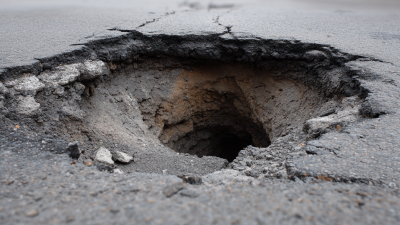
Sink Hole Plugs are super important when it comes to dealing with those stubborn sinkholes. They’re a pretty handy way to patch up gaps in driveways, roads, or yards when things start to cave in. When a sinkhole pops up, you’ve gotta act fast — a quick fix can really save the day. Picking the right sink hole plug can make all the difference, helping to keep everyone safe and prevent more serious damage from happening.
Nowadays, there are quite a few companies like QuickFix Solutions and RigidPatch that specialize in fixing sinkholes. They offer a range of plug options suited for different sizes and ground types. But here’s the thing — not all products are guaranteed to work perfectly every time. It can be a bit overwhelming trying to find the best one because sometimes the plugs don’t quite fit your needs. So, think about what’s most suitable for your situation. Keep in mind the material of the plug and how long it’ll last.
Using a sink hole plug is pretty straightforward most of the time, but some folks still run into issues. Getting a good seal really matters — if the plug doesn’t stick well, the problem might just come right back. Before you settle on a solution, it’s smart to weigh the pros and cons — think about costs versus effectiveness. In the end, choosing the right sink hole plug can save you both time and headaches, and it’ll give you a solid, long-lasting fix.
Types of Sink Hole Issues and Their Causes
Sink holes can be a persistent issue for homeowners. Various factors contribute to sink hole formations. One major cause is soil erosion. Heavy rainfall can wash away soil, leading to ground instability. According to a report by the Geotechnical Engineering Association, over 75% of sink holes occur in areas with limestone bedrock. These rock formations are highly susceptible to erosion.
Another issue involves poor drainage systems. When water accumulates in the wrong areas, it can weaken the ground. The Environmental Protection Agency highlights that improper drainage can increase sink hole risks by up to 50%. Regular maintenance of drainage systems is crucial. Implementing solutions like a Tray Plug Bar Sink Strainer can effectively minimize water accumulation.
Often, homeowners overlook these problems until it's too late. Proactive measures and regular inspections can save significant expenses later. Communities should prioritize understanding sink hole risks. Gathering data and acting on it is necessary for long-term safety.
Overview of Sink Hole Plug Solutions Available
When dealing with sink holes, it’s crucial to understand the available repair solutions. Various options cater to different situations. Some people choose simple sealing compounds. These are easy to apply and can fill smaller holes effectively. However, they may not last long and require frequent reapplication. Others opt for inflatable plugs. These are handy but can sometimes be difficult to install correctly.
For larger sink holes, solid plugs made of durable materials provide more reliable results. These require proper installation and may need specialized tools. Many find this daunting, leading to issues later. Additionally, soil stabilization techniques can help in the long run. They reinforce the surrounding area to prevent future collapses. However, these methods can be complex and might require expert assistance.
Homeowners often overlook the maintenance needed after repairs. Regular inspections are essential to ensure the longevity of any solution. Ignoring this can lead to costly mistakes. Every approach to sink hole repairs has its pros and cons. Understanding these is key to making informed decisions. It’s a process that invites reflection on what really works for each unique situation.
Key Materials Used for Sink Hole Repairs
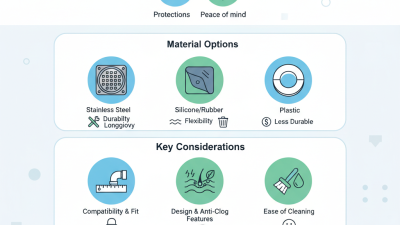
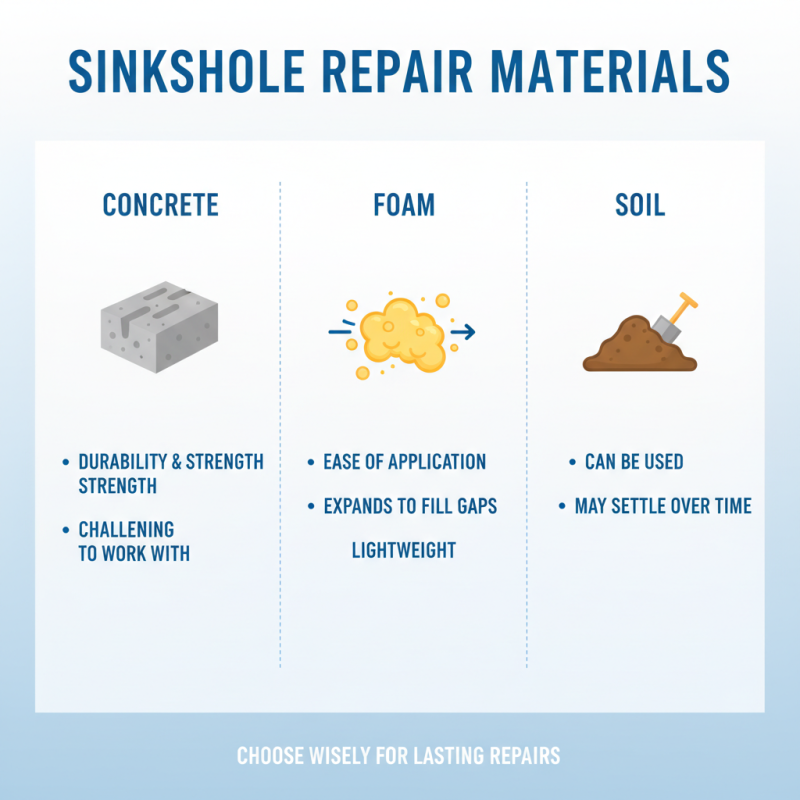
When dealing with sinkhole repairs, choosing the right materials is crucial. Commonly used options include concrete, foam, and soil. Concrete provides durability and strength. However, it can be more challenging to work with. On the other hand, foam offers ease of application. It expands to fill gaps and is lightweight. Soil can also be used but may settle over time.
Understanding the best practice for use is essential. For example, the economy plastic tray plug Bar Sink Strainer could be beneficial in smaller repairs. It is cost-effective and helps to prevent further issues. Ensuring proper installation is critical. Any mistake can lead to future complications.
While these materials provide various benefits, each has limitations. Concrete can crack under pressure. Foam may degrade over time if not maintained. Soil will require regular checks to prevent sinking. Reflecting on these factors can lead to a more effective repair strategy. It's vital to assess your repair needs before selecting a solution. Avoiding haste will save you time and money in the long run.
Step-by-Step Guide to Using Sink Hole Plugs
When dealing with sink holes, knowing how to use sink hole plugs effectively is crucial. A step-by-step approach ensures a successful repair. Start by assessing the hole's size and depth. Measure the diameter and take note of any surrounding conditions. This initial evaluation guides your choice of plug. Research indicates that using a suitable P.O. plug assembly can significantly enhance repair effectiveness.
Next, prepare the area around the sink hole. Clear debris and loose soil. This step is often overlooked. However, starting with a clean space can prevent new issues from arising.
Once the area is ready, insert the Two Piece P.O. Plug Assembly into the hole. Proper placement is essential. A common mistake is failing to align the assembly correctly, leading to potential leaks.
Some contractors have reported that after applying the plug, they wait a few hours before backfilling. This allows for any settling that might occur. Patience is vital here, as rushing may compromise the repair.
Finally, monitor the site for rain or heavy winds. These conditions can reveal weaknesses in your work. Reflect on these aspects to improve future repairs.
Effectiveness Comparison of Various Repair Techniques
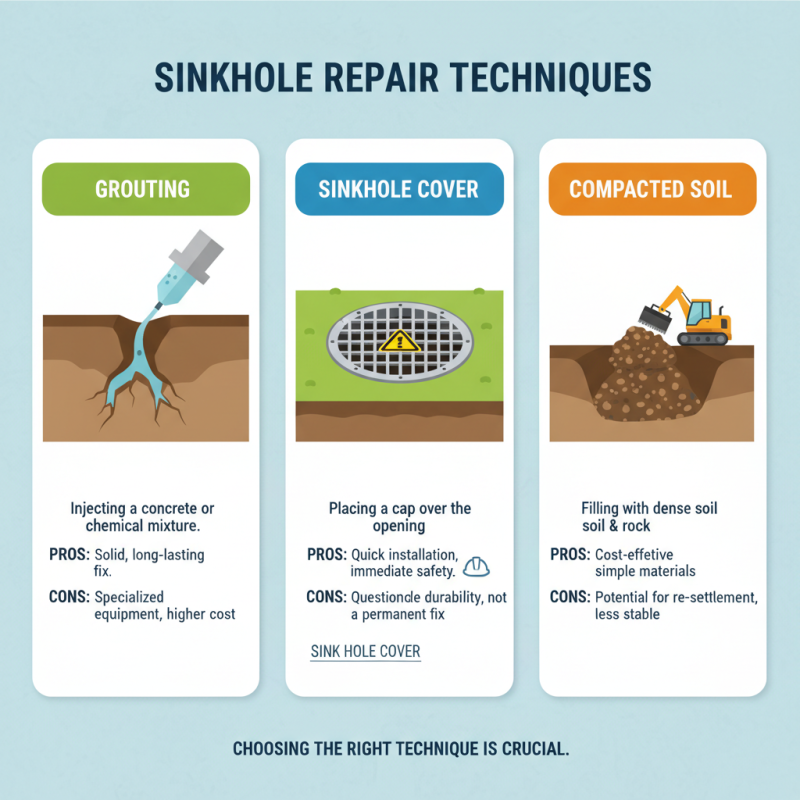
When dealing with sinkholes, finding the right repair technique is crucial. Many approaches exist, but their effectiveness can vary. Some methods include using grouting materials, inserting a Sink Hole Cover, or even filling the sinkhole with compacted soil. Each option has its pros and cons. For example, grouting can provide a solid fix but may require specialized equipment. A Sink Hole Cover can be a quick solution, though its durability can be questioned.
Tips: Always assess the size and depth of the sinkhole before deciding on a repair method. A thorough inspection can prevent future issues. If unsure, consult a professional for advice on the best approach. This might save you from costly repairs later.
Evaluating repair techniques requires careful consideration. Some strategies may seem effective but may not hold up under pressure. A sink hole cover can be a temporary fix while a more permanent solution is in the works. Relying solely on one method could lead to unexpected problems. Be open to feedback and constantly reassess the effectiveness of your chosen technique.
Tips for Maintaining Sink Hole Repairs Over Time
Proper maintenance of sink hole repairs is crucial for long-lasting results. After any repair, it's essential to monitor the area closely. Regular checks can help identify new changes or potential issues early. Aim to inspect the repair site at least once a month. Look for signs of settling or shifting, which could indicate a problem.
To ensure the longevity of your repairs, keep the surrounding area clean. Remove debris and prevent water accumulation. Excessive moisture can erode even the best repairs over time. Using appropriate drainage solutions can help manage water flow effectively.
If you notice uneven ground or cracks, take action immediately. Delaying repairs can lead to bigger issues later. Document any changes and repair activities for future reference. This practice can help track the effectiveness of various maintenance methods used over time. Taking simple, consistent steps will prove invaluable in preserving the integrity of your sink hole repairs.
When to Seek Professional Help for Sink Hole Issues
Sinkholes are a serious concern for many homeowners. When ground subsidence occurs, small depressions can develop. Immediate action is vital. Understanding when to seek professional help can save time and costs. Research shows that about 30% of sinkholes can lead to severe structural damage if not addressed promptly.
If a sinkhole appears, observe its size and depth. Sinkholes that grow larger than three feet in diameter warrant professional intervention. Homeowners often underestimate the risk. Data indicates that 40% of untreated sinkhole issues escalate into larger problems over six months. If you notice cracks in walls or floors, contacting an expert is crucial. These signs often signal further subsidence.
Even minor sinkholes can reflect deeper issues. A thorough inspection should be your next step. Many property owners delay, thinking repairs can wait. However, safety should always come first. Remember, swift action not only protects your home but also prevents greater expenses down the line.
Best Sink Hole Plug Solutions for Effective Repair
| Solution Type | Description | Best For | Cost Estimate | Professional Help Needed? |
| Foam Plugging | Injecting expanding foam into the sinkhole to stabilize soil. | Small sinkholes with minimal soil loss. | $150 - $300 | No |
| Gravel Fill | Filling sinkholes with gravel to compress and stabilize. | Moderate sinkholes on driveways or yards. | $100 - $500 | No |
| Cement Slurry | Using a cement mixture to fill and reinforce sinkholes. | Larger sinkholes or areas under heavy load. | $500 - $1,000 | Yes |
| Soil Injection | Injecting soil stabilization chemicals to improve structure. | Severe erosion cases where soil integrity is compromised. | $750 - $1,500 | Yes |
| Professional Grading | Re-grading impacted areas to redirect water and prevent future holes. | Ongoing drainage issues and larger areas. | $1,500 - $3,000 | Yes |
Conclusion
The article "Best Sink Hole Plug Solutions for Effective Repair" explores various aspects of sink hole repairs, starting with identifying the types of sink hole issues and their underlying causes. It provides an overview of the available sink hole plug solutions, highlighting the key materials that can be effectively used for these repairs. The article includes a comprehensive step-by-step guide on how to properly use sink hole plugs, ensuring effective results.
Additionally, it compares the effectiveness of various repair techniques and offers valuable tips for maintaining sink hole repairs over time. Lastly, it advises readers on when to seek professional help for persistent sink hole issues, ensuring that homeowners are well-informed on how to handle such situations. Overall, the article serves as a practical resource for those looking to address sink hole problems effectively.