Leave Your Message
- Phone
- E-mail
- QR code

Picking out the right Sink Hole Cover isn’t about making a flashy choice; it’s more about practicality. That said, going with something that’s not quite right can lead to leaks, bad odors, blocked drains, or even costly replacements down the line. Plus, if you're shopping internationally, you’ve got to juggle different sink sizes, installation standards, materials, and shipping conditions — it can be a real hassle.
Richard Trethewey, the guy from This Old House who knows his stuff when it comes to plumbing and heating, always emphasizes this simple point: “Water always finds the path of least resistance.” And honestly, that really hits home here. You want a cover that fits snugly, resists rust and corrosion, and is easy enough to pop off when you need to clean. Stainless steel handles the daily grind pretty well, silicone is great for sealing uneven surfaces, and plastic can be budget-friendly — but the quality varies a lot.
Honestly, those tiny details really matter.
In this guide, I’ve rounded up ten Sink Hole Covers perfect for international buyers. I’ve looked at everything — dimensions, how they drain, surface finish, how easy they are to install, and even what kind of support you can expect after buying. Sometimes, a cover might look stunning in photos but feels thin and cheap once you use it. Or it might fit perfect in one sink but be a total mismatch for another. That’s just the reality we have to deal with.
I also paid attention to packaging strength, clear measurements, and whether they work with standard sink setups. But here’s the thing — none of this can replace talking to a pro before you buy. Make sure to measure your sink opening, double-check the manufacturer’s specs, and be clear on the return policies. No product is perfect forever; manufacturing batches change, preferences shift, and even highly-rated covers can give you surprises in a humid kitchen environment. The best approach? Do your homework. A careful comparison is the safest way to find something that’ll last and perform well over time.
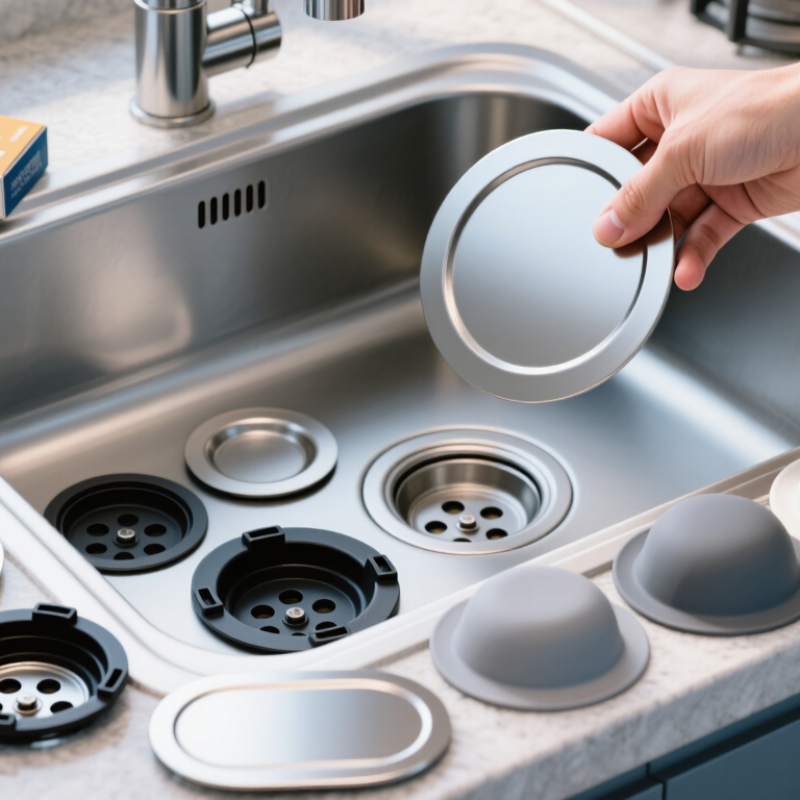
A sink hole cover seals an unused faucet opening in a basin or countertop. It prevents water, dust, and cleaning chemicals from entering the exposed gap. More importantly, it gives the sink a finished, hygienic surface. A loose cover can trap grime around its rim. That detail is easy to miss.
The U.S. Environmental Protection Agency reports that household leaks can waste nearly 10,000 gallons of water annually. A hole cover does not fix a leaking tap, but it can reduce splash entry around an unused opening. The World Health Organization also links poor household water management with hygiene risks. For global buyers, check the hole diameter, counter thickness, gasket quality, and corrosion resistance. A Chrome Sink Hole Cover suits many modern basins, yet chrome plating alone does not guarantee durability. Product testing, material grade, and installation pressure matter more. Some covers fit only standard openings. That assumption can fail.
Tips: Measure twice before ordering. Compare the cover diameter with the basin hole, not the old cap. Choose stainless steel or certified corrosion-resistant materials for humid bathrooms. Press the gasket evenly underneath, then hand-tighten the retaining nut. Avoid excessive force. It may crack ceramic or distort thin metal. Refer to local plumbing guidance and the manufacturer’s test information. Industry guidance from ASPE emphasizes correct drainage and fixture installation, but household conditions still vary. A professional plumber can verify compatibility when the basin has an overflow, unusual thickness, or concealed mounting hardware.
A sink hole cover is a fitting used to close, protect, or control an opening in a kitchen, bathroom, utility, or laboratory sink. Common applications include covering an unused faucet hole, sealing a drain opening, replacing a stopper, or protecting an overflow opening. The correct size, material, seal design, and installation method help prevent leaks, contamination, odors, and accidental water damage.
| No. | Sink Hole Cover Type | Typical Opening Size | Common Materials | Water Control | Main Advantages | Recommended Use | Buyer Checkpoints |
|---|---|---|---|---|---|---|---|
| 1 | Universal Faucet-Hole Cover Plate | Approx. 28–38 mm (1.10–1.50 in) hole diameter; 50–65 mm (2.00–2.56 in) top diameter | Stainless steel, brass, or plated metal; silicone gasket | Seals an unused deck hole | Broad compatibility, clean appearance, simple installation | Unused faucet, soap-dispenser, or accessory holes | Measure the actual hole; check maximum deck thickness and gasket diameter |
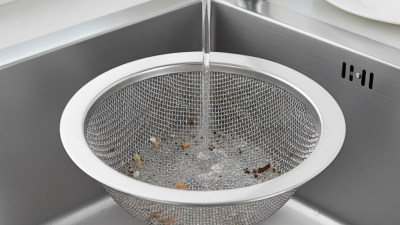
| 2 | Standard Sink Drain Strainer | Common nominal drain size: 90 mm (3.50 in) flange; 1.5 in / 40 mm waste connection is widely used | 304 stainless steel, polypropylene, rubber, or silicone | Allows drainage while catching food debris | Improves pipe protection and is easy to remove for cleaning | Kitchen and utility sinks | Confirm flange diameter, basket depth, waste-thread compatibility, and gasket type |
| 3 | Lift-and-Turn Drain Stopper | Usually designed for approximately 38–40 mm (1.50–1.57 in) drain openings | Brass or stainless steel body with rubber or silicone seal | Opens for drainage and twists down to retain water | Positive mechanical closure and straightforward operation | Bathroom and washbasin drains | Check drain-thread size, stopper height, overflow compatibility, and seal compression |
| 4 | Flat Blank Drain Cover | Commonly 40–60 mm (1.57–2.36 in) cover diameter for compatible drain openings | Stainless steel, chrome-plated brass, or silicone | Designed to block or cover an opening rather than filter water | Minimal profile and easy surface cleaning | Temporarily unused drains, display sinks, and non-draining basins | Verify whether the cover is intended for a watertight seal or only dust protection |
| 5 | Silicone Universal Drain Seal | Flexible models commonly cover approximately 90–150 mm (3.54–5.91 in) surface areas | Food-contact or plumbing-grade silicone | Creates a temporary surface seal over a drain | Flexible, lightweight, corrosion-resistant, and easy to store | Temporary sealing, cleaning, soaking, and travel use | Confirm flatness of the sink surface and temperature range; not a substitute for a fixed drain fitting |
| 6 | Overflow Hole Cover Plate | Typical visible openings are about 20–35 mm (0.79–1.38 in), but shape varies by sink | Stainless steel, ABS, chrome-plated metal, or rubber | Covers or protects the overflow opening; does not replace the overflow path unless specifically designed to do so | Improves appearance and helps reduce debris entry | Bathroom basins and sinks with visible overflow holes | Match the hole shape, mounting method, and whether the sink requires a functional overflow |
| 7 | Sink Hole Trim Ring | Commonly accommodates 28–38 mm (1.10–1.50 in) holes with a 45–65 mm (1.77–2.56 in) outer ring | Stainless steel, brass, plastic, or elastomer gasket | Covers exposed edges; sealing depends on the included gasket or sealant | Hides rough or enlarged cutouts and provides a finished appearance | Retrofit installations and replacement of removed accessories | Measure both the opening and visible deck thickness; check edge coverage |
| 8 | Removable Basket Stopper | Often matched to approximately 90 mm (3.50 in) Kitchen Drain Strainers | Stainless steel, plastic, rubber, or silicone | Retains water when seated and lifts out for drainage | Convenient for washing dishes and catching larger particles | Kitchen sinks with basket-style strainers | Confirm basket geometry, seating depth, handle clearance, and gasket condition |
| 9 | Threaded Sink Hole Plug | Common pipe-related sizes include 1.25 in, 1.5 in, and 2 in nominal connections; exact thread varies by region | Brass, stainless steel, PVC, ABS, or rubber | Provides a fixed mechanical seal when correctly threaded and gasketed | Suitable for semi-permanent closure and service work | Unused waste connections, auxiliary outlets, and plumbing maintenance | Identify thread standard, pitch, nominal size, gasket requirement, and pressure limitations |
| 10 | Decorative Ceramic or Glass Hole Cover | Usually made for approximately 28–38 mm (1.10–1.50 in) unused deck holes | Ceramic, tempered glass, stainless steel, silicone, or plated metal | Seals a non-plumbing deck opening when properly gasketed | Coordinates with decorative sinks and countertop finishes | Bathroom renovations, hospitality projects, and design-led interiors | Check fragile-material handling, outer diameter, deck thickness, and replacement availability |
Global buying note: Sink openings and plumbing connections are not fully standardized worldwide. Before purchasing, measure the opening diameter, cover diameter, sink deck thickness, drain flange, thread type, gasket position, and overflow configuration. Imperial and metric dimensions shown above are common market ranges rather than universal specifications.
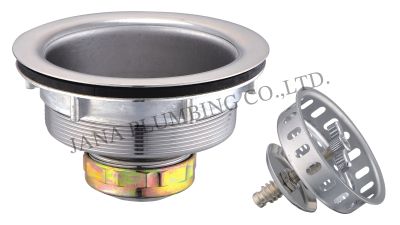
Spin & Lock Sink Strainer JN-1003 offers a practical upgrade for everyday kitchen drainage. Its innovative spin-lock mechanism attaches securely to most standard-sized sinks, helping prevent accidental detachment during washing, rinsing, or food preparation. By capturing food particles before they enter the drain, the strainer supports smoother water flow and reduces the need for frequent pipe cleaning. The cUPC certification also reflects compliance with recognized plumbing performance and safety requirements, making it a dependable choice for modern kitchen use.
Effective waste control is increasingly important because the USDA estimates that approximately 30–40% of the U.S. food supply is lost or wasted, much of it during preparation and disposal. Keeping scraps out of the drain can reduce blockages while making kitchen cleanup more efficient. The JN-1003 is designed for convenient handling: users can spin to lock it in place, lift it out when needed, and rinse away collected debris. Its stable fit and easy-clean structure help maintain a more hygienic sink environment, an important consideration given the World Health Organization’s estimate that contaminated food causes around 600 million illnesses worldwide each year. By combining secure installation, simple operation, and effective particle capture, this sink strainer brings a smarter approach to daily drainage maintenance.
Flat stainless-steel discs work well in kitchens and washrooms. Measure the opening before choosing. Appearance alone can mislead.
Threaded covers provide stronger retention during frequent use. They suit busy commercial areas with repeated cleaning and movement. Check underside clearance carefully.
Snap-in plastic covers fit temporary renovations and short-term protection. They may shift under heavy use. Permanent metal covers are usually more stable.
Measure the hole diameter, rim depth, basin thickness, and surrounding clearance. Small errors can cause leaks, movement, or visible gaps. Measure twice.
Stainless steel handles detergent, heat, moisture, and repeated cleaning. Grade 304 suits general kitchens. Grade 316 is better near salt, acids, or frequent washdowns.
Choose smooth surfaces, strong underside support, and reliable welds. Avoid sharp edges and trapped water. A clean appearance proves little by itself.
It can shift, collect dirty water, or create a small height difference. Trolley wheels may catch the edge. That detail matters.
Verify thread standards, gasket size, basin thickness, and fitting compatibility. Confirm the cover’s load capacity. Universal sizing is not always reliable.
Flexible silicone covers work well for temporary protection. Metal covers resist movement better over time. They cost more and may show scratches.
Covers do not create safe drinking water. Proper sealing can simplify cleaning and reduce maintenance problems. The distinction is easy to miss.
A Sink Hole Cover is a practical component designed to close, protect, or manage an opening in a sink or related drainage area. This guide explains why the right cover matters for cleanliness, safety, water control, and long-term durability. It reviews common types for kitchen, bathroom, utility, commercial, and industrial applications, while highlighting how size, shape, material, surface finish, and drainage design affect performance. Readers will learn how to match a cover with different sink layouts and usage conditions.
The article also presents ten recommended Sink Hole Cover options based on practical features rather than brand names. It discusses selection considerations for home and professional environments, including load resistance, corrosion protection, ease of installation, and compatibility with existing fittings. Safety precautions, cleaning routines, inspection methods, and replacement guidance are included to support reliable use. Global buyers will also find useful advice on measurements, packaging, product specifications, shipping considerations, and checking local requirements before purchase.