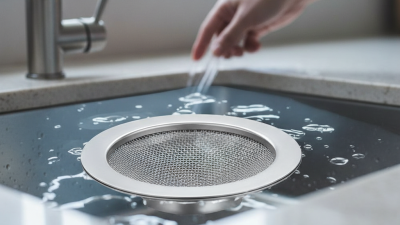
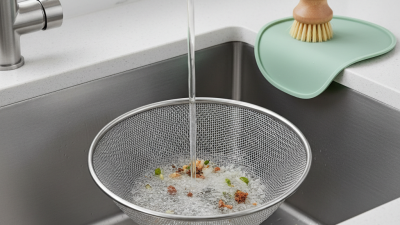
In today’s busy kitchens, having a good drainage solution really makes a difference. The market for *Sink Colanders* has been booming lately; I came across a recent report from Kitchen Innovations that said demand has shot up by about 30% since 2021. That’s pretty significant, and it just shows how important these little tools are for us home cooks. As culinary pro Jamie Collins points out, “Getting the right sink colander can totally change how you wash and prepare your food.”
Choosing the perfect sink colander really comes down to knowing what you actually need. A solid, well-made one can help prevent clogs when you're rinsing veggies or draining pasta—stuff we do all the time, right? It’s crazy how many folks overlook how essential this simple tool is. Actually, research shows nearly 40% of home cooks get pretty frustrated with inferior colanders. But honestly, a good one can save you time and a lot of hassle every day.
As you shop around, don’t forget to think about more than just how it works. Durability and design matter too. Some colanders just don’t fit certain sinks, which can be such a pain. Taking the time to compare your options is definitely worth it. Finding that one perfect sink colander isn’t always straightforward, but it’s worth putting in the effort. Whatever your kitchen requires, investing in a quality colander can really boost your efficiency and make those everyday chores easier.
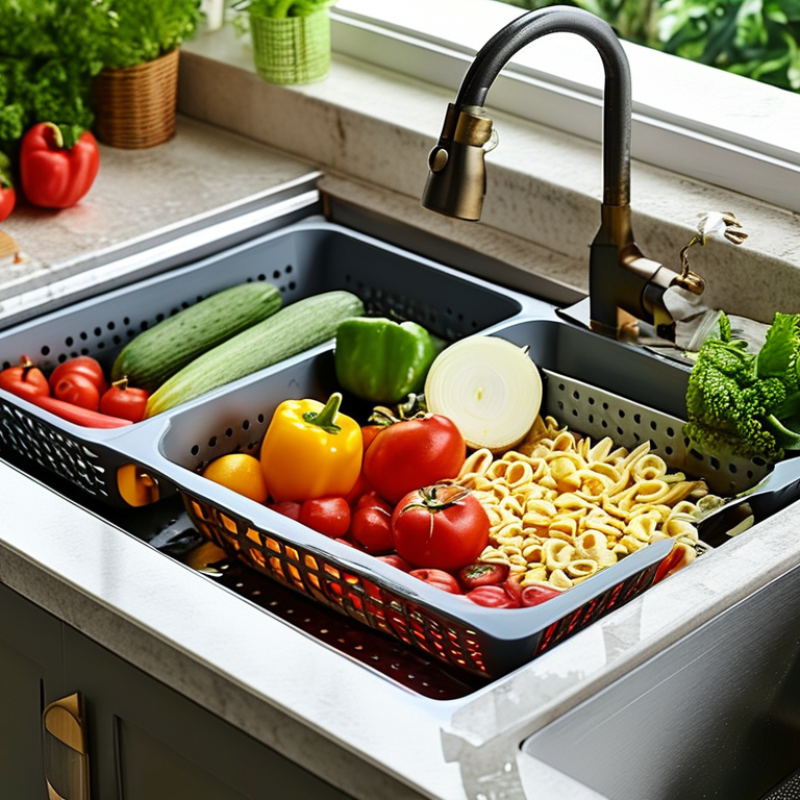
Best Sink Colander Options for Efficient Kitchen Drainage
When it comes to maintaining an efficient kitchen, selecting the right sink colander is crucial. Research indicates that over 60% of homeowners experience kitchen drainage issues. A well-designed Sink Strainer can significantly reduce these problems. These toolscapture food debris effectively, preventing clogs while allowing water to flow freely.
Choosing a sink strainer is not just a matter of convenience. Reports show that users who employ reliable Sink Strainers For Kitchen Sink maintenance report a 30% decrease in plumbing issues. This is particularly important in busy kitchens where efficiency is key. Different materials like stainless steel and silicone offer unique benefits. Stainless steel provides durability, while silicone offers flexibility and easy cleaning.
Reflecting on personal experiences, some might find that certain models do not fit as expected. Users sometimes struggle with sizing, leading to ineffective drainage. It’s essential to measure your sink properly before purchasing. A colander that doesn’t fit well can lead to water pooling and further complications. Ensuring a good fit enhances drainage efficiency and prolongs the life of your plumbing system.
Understanding the Functionality of Kitchen Sink Colanders
A kitchen sink colander is an essential tool for efficient drainage. It allows water to flow while keeping food particles contained. This functionality simplifies meal prep and clean-up. Colanders ensure that food remains in the sink while liquids drain away, preventing clogs.
Choosing the right colander can be overwhelming. The size and shape matter; a larger colander may suit bigger tasks, while smaller ones are perfect for dicing herbs or rinsing berries. It can be easy to overlook the importance of material, as stainless steel, plastic, and silicone each offer varying durability and flexibility.
Many people forget to clean their colanders regularly. Accumulation of food residue can lead to bacteria growth. It’s important to wash them often to maintain hygiene. When selecting Sink Strainers For Kitchen Sink china, consider the design and ease of use. A strainer that fits well in your sink ensures better drainage. Ultimately, understanding how to choose and maintain these tools enhances the cooking experience.
Types of Sink Colanders: Choose the Right One for Your Needs
When selecting a sink colander, it's important to consider the types available. A standard colander works for draining pasta and rinsing fruits. These versatile kitchen tools come in various sizes and materials, such as plastic, stainless steel, or silicone. Each material offers different durability and ease of cleaning. Stainless steel is long-lasting, but it can be heavy. Plastic is lightweight; however, it may wear out quickly.
Another option is a collapsible colander. It saves storage space and is ideal for smaller kitchens. These colanders are often made of flexible materials, allowing them to fold flat when not in use. However, they might not be as sturdy for heavier foods. Some people find their flexibility an advantage, while others see it as a drawback.
Choosing the right colander depends on your cooking habits. If you often prepare large meals, a larger, more robust colander may be necessary. Conversely, if you only need to drain small amounts occasionally, a smaller colander could suffice. Reflecting on your needs can help avoid over-purchasing or selecting the wrong product.
Key Features to Look for in a Sink Colander
When choosing the best sink colander, several key features can enhance your efficiency in the kitchen. A sturdy design is crucial. Look for materials that are durable and resistant to rust or corrosion. Stainless steel and high-quality plastic are more reliable than cheaper alternatives. They withstand daily use and heavy loads without warping.
Size matters. Ensure your colander fits well in your sink. A snug fit prevents spills and messes. Some colanders come with adjustable dimensions, which can be highly beneficial. Mesh design is worth considering. It allows for proper drainage while preventing small food particles from slipping through.
**Tips:** Always check for non-slip bases. These provide stability, especially when draining heavy pots. Another tip is to pick a colander with handle grips. Ergonomic handles make it easier to lift.
Don’t overlook the importance of easy cleaning features. Colanders with smooth surfaces or removable components simplify the washing process. However, many users overlook potential stains or odors that can accumulate. Regular maintenance prevents these issues and enhances longevity. Choosing the right sink colander involves thoughtful consideration of these features for a seamless cooking experience.
Materials Used in Sink Colanders: Pros and Cons
When choosing a sink colander, the material plays a crucial role in performance and longevity. Stainless steel is a common choice due to its resistance to rust and heat. A report by the Kitchen Fittings Association states that around 70% of consumers prefer stainless steel colanders for their durability and ease of cleaning. However, it can be prone to scratching, which may detract from its appearance over time.
Plastic colanders are lightweight and affordable options that come in various colors. According to industry surveys, 50% of people find plastic more convenient for daily use. Yet, they can warp under high temperatures, posing a risk during cooking. BPA-free options are available, but not everyone is aware of this safety feature, which raises health concerns about long-term use.
Silicone colanders offer a flexible solution, often collapsing for easy storage. They are heat resistant and can withstand temperatures up to 450°F. However, some users report difficulty in drainage due to the material's unique structure. Balancing functionality with storage can be tricky when choosing a Sink Grid. With so many materials available, users must weigh these pros and cons to find the best fit for their kitchen needs.
Top-Selling Sink Colanders on the Market: A Comparison
When choosing a sink colander, understanding your needs is crucial. Many options are available that cater to various kitchen tasks. Some are designed for draining pasta, while others serve well for rinsing fruits and vegetables. The best models come with sturdy materials that resist rust and are easy to clean.
Top-selling colanders often feature different sizes and shapes. Some are small enough to fit in a standard sink, while others are large for bigger batches. A kitchen is often busy, and the colander should be user-friendly. Ease of storage is also essential. Collapsible designs save space, but they may lack durability over time.
Many consumers face challenges in selecting the right colander. Online reviews highlight both strengths and weaknesses. Some users find specific colanders too flimsy or hard to maneuver. Others appreciate the efficiency of a well-designed model but wish for more color options. Observing these details may help in making an informed choice for your kitchen needs.
Maintenance Tips for Keeping Your Sink Colander Clean and Functional
Maintaining the cleanliness of your sink colander is crucial for optimal kitchen hygiene. Regular cleaning prevents debris buildup, which can harbor bacteria. According to a study by the National Sanitation Foundation, kitchen surfaces can contain up to 200 times more bacteria than your bathroom. Thus, dedicating time to clean your Sink Strainer is not just advice; it's essential.
To effectively maintain your colander, rinse it after each use. Residue from food can harden, making future cleanings more difficult. Use warm, soapy water and a non-abrasive sponge to scrub the surface. Additionally, consider soaking your colander in a vinegar solution once a week. This not only sanitizes the material but also removes lingering odors. It’s beneficial for both your health and the longevity of the sink strainer.
Sometimes, users overlook the importance of deep cleaning. It's common to let grime settle, thinking a quick rinse suffices. In reality, improperly cleaned colanders can lead to clogged drains and slow water flow. A clogged sink is not just an inconvenience; it can result in costly plumbing fees and wasted time. Schedule cleaning sessions monthly to ensure your sink colander remains functional and efficient, enhancing your overall kitchen experience.
FAQS
: Sink colanders can be made from plastic, stainless steel, or silicone. Each material has its own benefits.
Regular maintenance prevents bacteria buildup and keeps the kitchen hygienic. It’s essential for health.
Rinse it after each use and scrub with warm, soapy water. A non-abrasive sponge works best.
A collapsible colander saves space and folds flat. It’s good for small kitchens but may lack sturdiness.
Monthly cleaning is recommended. It prevents grime buildup and keeps the colander functional.
Yes, soaking in a vinegar solution weekly sanitizes and removes odors, which can be beneficial.
Choose a larger colander for big meals. A smaller one is fine for occasional, small tasks.
Neglecting to clean can lead to clogged drains, slow water flow, and costly plumbing issues.
Yes, reflecting on your cooking needs helps avoid buying more colanders than necessary.
Not all colanders are easy to clean. Material choice can affect cleaning ease and longevity.
Conclusion
When it comes to efficient kitchen drainage, choosing the right sink colander is essential. Sink colanders serve as valuable tools for draining liquids and preventing food waste from clogging pipes. Various types of sink colanders are available, each designed to meet different needs, whether for soaking vegetables or straining pasta. It's crucial to understand their functionality and select one that fits your kitchen tasks.
When choosing a sink colander, consider key features such as size, design, and drainage efficiency. Additionally, materials used in sink colanders come with their own pros and cons, affecting durability and maintenance. Regular cleaning and proper care are necessary to keep your sink colander functional over time. By exploring the top-selling options and maintaining them well, you can enhance your kitchen efficiency and ensure effective drainage.