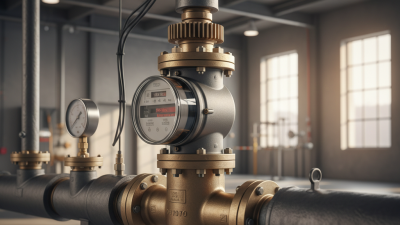
When you dive into the world of industrial measurement, you quickly realize just how important a good Meter Couplingreally is. I mean, people like John Smith from Accurate Measurements Inc. often point out that "the right Meter Coupling can really make or break efficiency." Honestly, that just shows how crucial these little components are for keeping systems running smoothly and maintaining accuracy.
Now, there are loads of different types of Meter Couplings out there, each suited for specific jobs. Picking the right one isn’t always straightforward – it takes some know-how and a good understanding of what your system actually needs. And let’s be real, there are always challenges. Sometimes, even the most carefully selected Meter Coupling doesn’t perform quite as expected. That's why it’s super important to regularly check how things are working and make tweaks as needed.
Even with all the new tech coming out, don’t forget about the classics. Sometimes, sticking with traditional methods and fine-tuning your choices can really pay off. A little patience and strategic adjustments in your Meter Coupling selection can lead to huge improvements in efficiency. Bottom line? Thoughtful, deliberate choices in this area can really make a difference in your overall system performance.

Types of Meter Couplings and Their Applications
When selecting meter couplings, understanding their types and applications is crucial for performance optimization. Meter couplings are commonly categorized into three types: rigid, flexible, and Compression Coupling. Each type serves unique purposes in various industries.
Rigid couplings provide a fixed connection. They ensure maximum power transmission but lack flexibility. They are ideal for applications with precise alignment, like in conveyor systems.
Flexible couplings allow for some shaft misalignment. They absorb vibrations and shocks. This characteristic makes them suitable for dynamics loads. They’re often used in pumps and electric motors.
On the other hand, Compression Coupling isversatile. It connects two shafts while accommodating slight misalignments. This feature reduces stress on machinery. Reports indicate that using compression couplings can increase system longevity.
However, all coupling types have limitations. Rigid couplings require precise shaft alignment, which can be difficult to achieve. Flexible couplings, while forgiving of misalignment, may wear out faster in harsh conditions. Compression couplings, although adaptable, may not handle heavy loads as efficiently as rigid ones. Choosing the right coupling is not a straightforward task. It requires careful consideration of the specific application and operating conditions. Understanding these nuances can greatly impact machinery efficiency.
Key Factors in Selecting Meter Couplings for Performance
When selecting meter couplings for optimal performance, it is crucial to consider key factors. The material of the coupling significantly affects its durability and efficiency. According to a recent industry report, couplings made from high-strength alloys provide better resistance to wear and tear. This can lead to extended service life and reduced downtime.
Flexibility in design is another important factor. Meter couplings need to accommodate misalignments without sacrificing performance. A study found that flexible couplings can improve system performance by up to 30%. However, flexibility may introduce challenges in load handling, which requires careful assessment. Too much flexibility can lead to slippage or failure under high loads.
The installation process plays a vital role in performance optimization. Poor installation can undermine even the best coupling choices. Research indicates that improper alignment can result in a 25% loss in efficiency. This highlights the need for precise installation techniques and regular maintenance checks. Investing time in these aspects can yield significant long-term benefits.
Benefits of Different Meter Coupling Designs
Meter coupling types play a crucial role in optimizing performance across various industries. When we look at the design benefits, the selection of meter couplings can significantly impact efficiency and reliability. A report from the American Society of Mechanical Engineers highlights that the right coupling can reduce energy loss by up to 15%. This efficiency translates into lower operational costs.
3 Compression Coupling, a type of flexible design, is popular for its ability to accommodate misalignment while maintaining torque transmission. This type offers improved vibration dampening, making it desirable in settings with high operational stress. Many companies have transitioned to this design, noticing a measurable improvement in system uptime and maintenance intervals.
However, choosing the appropriate meter coupling is not straightforward. Each application has unique requirements. For instance, employing couplings that are too rigid can lead to mechanical failures and increased downtime. Conversely, an overly flexible design might not handle the required torque efficiently. Thus, assessing the specific needs of each system remains critical. Engaging with detailed analysis and expert input is necessary to navigate these challenges successfully.
Impact of Meter Coupling Materials on Efficiency
Meter coupling materials play a critical role in optimizing efficiency. Different materials can either enhance or hinder performance. For example, metallic couplings often provide strength but may introduce friction. This can lead to energy loss and reduced effectiveness.
Using the right material can create a smoother flow. Plastics offer lightweight solutions, but they might not withstand high pressures. The design choice is crucial. You might need to balance durability and flexibility. Consider how each material responds under various conditions.
Tips for selection:
- Assess the environment. Will vibrations affect performance?
- Think about maintenance. Some materials require more care.
- Test different designs before committing.
4 Compression Coupling is one option to explore. However, remember that efficiency is not solely dependent on material. Sometimes, the fit and alignment of the coupling can also impact overall operation. Choose wisely and consider all factors in your decision-making process.
Common Issues with Meter Couplings and Solutions
Meter couplings play a crucial role in system efficiency. However, common issues can arise, impacting performance. One frequent problem is misalignment. This can lead to increased wear and tear. Regular maintenance is essential to detect these misalignments early. Poor installation techniques can exacerbate this issue. Ensuring proper alignment during installation saves time and costs later.
Another significant concern is wear on the couplings themselves. For instance, Steel Compression Coupling may corrode or wear down through continuous use. Regular inspection can help identify signs of damage. Replacing worn components can prevent larger system failures. Vibration and shock loading are also common issues. They can lead to premature failure of the couplings. Using vibration dampeners can mitigate these effects.
Additionally, excessive torque can strain couplings, limiting their lifespan. Operators should ensure proper torque settings are followed. Over-tightening can lead to unexpected failures. Addressing these common issues through proper practices ensures optimal performance. It's essential to remain vigilant and proactive in maintenance. This approach fosters a more efficient system, ultimately saving time and resources.
Best Practices for Maintaining Meter Couplings
Meter couplings play a vital role in ensuring optimal performance in various systems. Regular maintenance is crucial. A small oversight can lead to significant inefficiencies. Inspecting couplings for wear and tear should be part of your routine. Look for cracks or misalignments. These issues can escalate quickly if not addressed.
Lubrication is key for functionality. Use the recommended type of lubricant. Over-lubrication, though, can attract dirt. It becomes counterproductive. Clean the area before applying lubricant. Additionally, monitor temperature levels. High temperatures can indicate problems. Adjustments might be necessary to prevent failure.
Check the alignment periodically. Misaligned couplings can cause excessive vibration. This leads to wear on connecting components. Even slight misalignments can affect performance. A regular alignment check is a good practice. If issues persist, reassess your maintenance strategies. Continuous improvement in these areas can greatly enhance efficiency over time.
Best Meter Coupling Types for Efficient Performance Optimization
This chart showcases the efficiency ratings of various meter coupling types. Mechanical and Magnetic couplings are recognized for their high efficiency, making them preferable for optimal performance in various applications.
Future Trends in Meter Coupling Technology
As meter coupling technology evolves, it plays a crucial role in enhancing system efficiency. Future trends suggest a move towards more adaptive and smart coupling systems. These systems can adjust in real-time, responding to changing operational conditions. This adaptability can significantly reduce energy loss and optimize performance.
When considering meter couplings, efficiency should be your priority. Look for designs that minimize friction and maximize torque transfer. Proper alignment is key. Misalignment can cause wear and tear, reducing the lifespan of components. Regular maintenance is essential, but remember – sometimes, a small miscalculation in installation can lead to major issues.
**Tips:** Always choose materials that withstand your specific environment. Consider possible temperature fluctuations. Regularly check couplings for signs of wear. Even a minor defect can spark bigger problems down the line. Learning from these imperfections shapes better practices. Investing in training for your team also pays off in the long run.
Conclusion
Meter couplings are essential components in various industrial applications, playing a pivotal role in enhancing performance and efficiency. This article explores the different types of meter couplings and their specific applications, highlighting key factors to consider when selecting the right coupling for optimization. We delve into the benefits offered by diverse designs, such as improved accuracy and durability, and examine how the materials used in meter couplings impact their overall efficiency.
Furthermore, common issues encountered with meter couplings are addressed, along with practical solutions to enhance their functionality. Best practices for maintenance are also discussed to ensure long-term reliability. Finally, the article touches on future trends in meter coupling technology, indicating a shift towards more advanced materials and designs that promise even greater efficiency and adaptability in industrial settings. Understanding these aspects is crucial for achieving optimal performance in systems reliant on meter couplings.