Leave Your Message
0%

So, picking the right Kitchen Strainer Basket? It can actually affect your daily flow, product quality, and how happy your wholesale customers are. This guide runs through ten practical options for commercial buyers, restaurant suppliers, and established kitchenware distributors. We looked at each one through a few useful lenses: mesh strength, how fast it drains, handle stability, heat resistance, storage efficiency, and how much of a pain it is to clean.

A busy prep area will reveal small weaknesses pretty quickly. A loose handle can tip right next to a steaming stockpot. Fine mesh might catch seeds, but it can also slow water down. Larger holes drain faster, yet smaller ingredients might slip through. Those little details matter when you're comparing cartons, replacement rates, and long-term value. Materials like stainless steel, reinforced nylon, and food-grade silicone are judged by how they usually get used. Size matters too. A compact basket can work fine for a sink, while a deeper one handles pasta, veggies, or bulk rinsing.

The ranking is meant to help you buy smarter, not to crown one universal winner. No single basket fits every kitchen. Some of this is subjective, especially once comfort and cleaning preferences come into play. Still, buyers should double-check supplier specs, packaging details, minimum order quantities, and sample quality before committing. We're drawing on common commercial kitchen practices and basic product evaluation principles. The goal is practical guidance based on real handling concerns, not just pretty claims. Whether you're sourcing for hotels, caterers, retail shelves, or foodservice projects, these ten options give you a clearer starting point for dependable wholesale decisions.
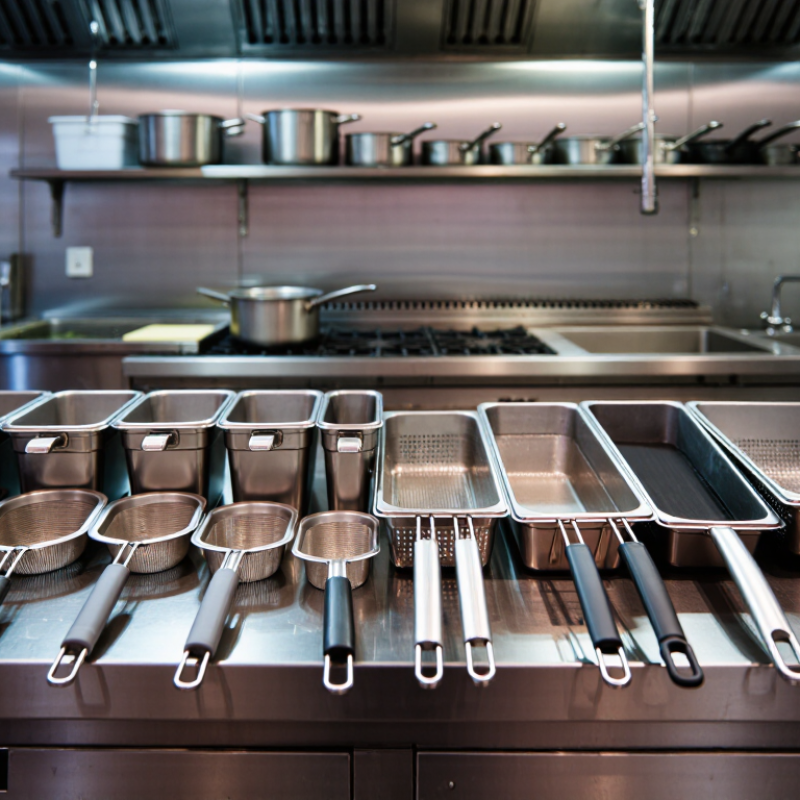
Top 10 Best Kitchen Strainer Baskets for Wholesale Buyers

Kitchen Strainer Baskets: Definition, Uses, and Essential Features

A Kitchen Strainer Basket is a removable, perforated insert that separates water from food or debris. In wholesale purchasing, it commonly fits sinks, pots, or food preparation containers. AKitchen Sink Strainer Basket usually catches scraps before they enter the drain. This simple function helps reduce blockages and keeps cleaning more manageable. Simple, but important.

Typical uses include rinsing vegetables, draining pasta, and filtering washing water. Fine holes suit rice and small food particles. Larger openings drain faster but may let scraps escape. For busy kitchens, stainless steel construction offers strength, corrosion resistance, and easy cleaning. Look for smooth surfaces without sharp seams. Rolled edges can improve handling and reduce discomfort during repeated use. Specifications should identify material, hole size, dimensions, and intended application. Do not rely on appearance alone.

For wholesale buyers, accurate sizing matters more than attractive photographs. Check the diameter, depth, rim shape, and clearance beneath the basket. A sample should sit securely without rocking or blocking water flow. Stackability can reduce warehouse space and shipping volume. Packaging should protect the rims from bending during transport. I once underestimated small size differences; several units fit poorly. That mistake deserves attention. The cheapest unit may also have thin walls, uneven holes, or weak handles. Supplier records, sample testing, and clear inspection standards support more reliable purchasing decisions.

Types of Strainer Baskets Suitable for Wholesale Purchasing

Wholesale buyers need more than attractive baskets. They need the right type for each kitchen task. A Kitchen Drain Strainer Basket suits sinks, prep stations, and commercial washing areas. Its perforated stainless-steel body catches food scraps while allowing fast drainage. Mesh baskets filter finer particles, but they can clog faster. Deep colanders handle pasta, vegetables, and bulk rinsing. Over-sink baskets save counter space, although their fit may vary between sink models.

Material choice affects repeat orders. Stainless steel resists rust, heat, and frequent cleaning. Food-grade plastic reduces weight and often lowers shipping costs. According to Grand View Research, the global kitchenware market was valued at approximately USD 16.8 billion in 2023, showing strong demand for practical kitchen tools. The report also identifies durability and convenience as important purchasing factors. Wholesale data from McKinsey’s 2024 consumer research suggests that shoppers remain sensitive to value, even when quality expectations rise. Buyers should test rim strength, hole size, stacking ability, and packaging damage before placing large orders. Small details matter.

Tips: Request samples from each basket type. Test them with wet rice, leafy vegetables, and greasy residue. Check drain speed after ten minutes. Measure the sink opening carefully. A few millimeters can cause returns. Claims about “commercial strength” also need evidence; I would not trust them without load and corrosion testing.

Top 10 Best Kitchen Strainer Baskets for Wholesale Buyers

The chart compares the indicative typical capacity of ten strainer basket types commonly considered for wholesale purchasing. Larger-capacity designs are suitable for commercial kitchens and high-volume food preparation, while compact options are useful for household and small-batch applications. Capacities are representative product specifications and may vary by supplier.

Key Materials, Sizes, and Design Options to Compare

Wholesale buyers should compare kitchen strainer baskets by material before reviewing appearance. Stainless steel is usually the safest starting point for repeated commercial use. Grade 304 offers strong corrosion resistance for everyday kitchen environments. Grade 316 may suit buyers facing higher salt or moisture exposure, but it can increase costs. Plastic baskets are lighter and often cheaper. However, heat tolerance, staining, and long-term cracking require careful testing. Check the rim, welds, and handle attachment closely. Weak joints become obvious during busy service. They fail at the worst time.

Size affects both usability and shipping efficiency. Common diameters range from small personal portions to large preparation batches. Measure the receiving pot, sink, or storage container before placing a bulk order. Perforation size controls drainage speed and food retention. Fine holes suit rice, herbs, and small pasta. Larger holes drain quickly but may lose delicate ingredients. Mesh designs filter more finely, though cleaning can take longer. Choose solid, rolled rims for safer handling and easier stacking. Nested baskets reduce carton volume and warehouse space. Handles, hanging loops, feet, and pour spouts also change the buying decision. Request samples from different production lots. One sample can look perfect. Real consistency matters more. Packaging should prevent scratches, bending, and trapped moisture during transit. Some buyers overlook this detail, and the resulting returns can erase a low unit price.

Performance, Safety, and Durability Evaluation Criteria

For wholesale buyers, a Kitchen Sink Drain Strainer Basket must perform consistently across many kitchens. Test water flow with rice, vegetable peels, and small food particles. A useful basket drains quickly without allowing debris to pass through easily. Measure the mesh openings, rim diameter, and basket depth before ordering. Small size differences can cause leaks, movement, or difficult removal. I have found that stable handles matter during repeated lifting. They should remain cool, firm, and easy to grip with wet hands.

Safety requires more than a polished appearance. Inspect every sample for sharp edges, loose wires, rough welds, and unfinished surfaces. Food-contact materials should have clear composition records and suitable testing documents. Stainless steel often resists rust, but poor finishing can still create stains. Silicone components need secure attachment and should not release strong odors after washing. Check cleaning performance under hot water, detergent, and repeated dishwasher cycles. Hygiene starts with accessible surfaces.

Durability needs practical evidence. Drop loaded baskets onto a hard test surface. Rotate handles repeatedly. Leave samples wet overnight. A heavier basket is not always stronger. I once favored thicker metal and overlooked a weak joint near the handle. That mistake changed the evaluation process. Wholesale buyers should request batch samples, dimensional tolerances, packaging details, and replacement policies. Consistent production matters as much as the first impressive sample.

Top 10 Kitchen Strainer Baskets for Wholesale Buyers

Top 10 Kitchen Strainer Baskets for Wholesale Buyers

Wholesale buyers need dependable kitchen strainer baskets, not attractive samples alone. In product inspections, I check mesh strength, handle balance, rim finishing, and drainage speed.

The ten strongest categories include:

  • stainless steel mesh baskets
  • deep colanders
  • fine tea strainers
  • clip-on pot baskets
  • over-sink models
  • folding baskets
  • rice washers
  • vegetable baskets
  • fryer-style baskets
  • silicone-edged strainers

Material matters greatly. Food-grade stainless steel resists rust and handles repeated washing. Fine mesh suits flour, tea, and small grains, while wider holes drain pasta and vegetables faster.

Welded handles should feel firm, without sharp edges or movement. A stable base also prevents spills on busy preparation counters. Small details matter.

Wholesale evaluation should include sample testing before a large order. Fill each basket with wet vegetables, lift it repeatedly, and inspect the joints afterward. Check whether silicone edges loosen after hot-water exposure.

Packaging deserves attention too, because thin cartons may arrive crushed. Some models look efficient but drain slowly when overloaded. That problem is easy to miss.

Buyers should compare unit cost, packing dimensions, replacement availability, and consistent production quality. A low price can become expensive after returns. No basket fits every kitchen, and that limitation should shape the final purchasing decision.

Pricing, Supplier Verification, and Bulk Order Considerations

For a top-ten shortlist of kitchen strainer baskets, wholesale buyers should compare landed cost, not unit price alone. Fortune Business Insights’ 2024 report valued the global commercial kitchen equipment market at over USD 37 billion in 2023. That scale increases supplier competition, but not necessarily quality. A Commercial Kitchen Sink Basket Strainer priced 12% lower may use thinner steel, weaker welds, or cheaper packaging. Request quotations with material grade, basket diameter, drain compatibility, carton quantity, and shipping terms clearly listed.

Supplier verification needs evidence. Ask for recent factory photographs, production capacity, inspection records, and a business registration document. Request samples from the same production line. Test the basket with boiling water, food residue, and repeated drainage. Check for sharp edges, loose handles, blocked perforations, and discoloration. NSF/ANSI 2 and NSF/ANSI 51 provide useful hygiene and food-equipment reference points, although certification must be verified directly. I would not trust a certificate screenshot alone.

Bulk orders require a written tolerance plan. Specify acceptable defect rates, replacement terms, carton drop-test expectations, and labeling details. The 2023 Deloitte Global Chief Procurement Officer Survey highlighted continuing pressure from inflation and supply disruption, making lead-time buffers practical. Confirm minimum order quantities and payment stages before negotiation. A pre-shipment inspection can cost more, but one rejected container costs much more. Buyers often overlook spare cartons. That is a mistake worth revisiting. Even a strong supplier may miss a packing detail during peak production.

Economy Plastic Strainer JN-1008-5: Market Insights from Grand View Research and Fortune Business Insights Reports

Market insights on the plastic strainer sector indicate steady demand from households, restaurants, cafés, and institutional kitchens. Growth is supported by consumers seeking affordable, lightweight, and easy-to-maintain kitchen tools, while commercial users increasingly value practical products that can withstand frequent cleaning and repeated use. As food preparation becomes more efficiency-focused, strainers that support quick handling of soups, sauces, pasta water, and other ingredients remain useful across a wide range of culinary settings. Cost-conscious purchasing and interest in simple kitchen equipment also create opportunities for economical plastic designs.

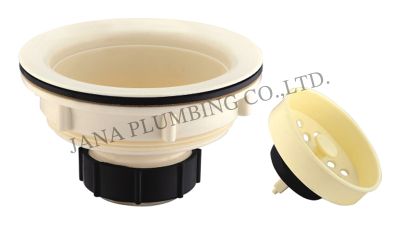
The Economy Plastic Strainer JN-1008-5 is designed to meet these everyday requirements. Its lightweight construction makes it comfortable to handle, while the smooth surface allows convenient cleaning after use. With cUPC certification, it is suitable for both home and commercial kitchens where dependable food-preparation tools are needed. The strainer can be used for draining pasta, separating liquid from cooked ingredients, and filtering soups or sauces, making it a versatile option for routine kitchen operations. Its economical positioning may appeal to buyers looking for functional performance without unnecessary complexity, particularly in foodservice environments that require practical tools in multiple work areas.

FAQS

Which strainer basket types suit wholesale kitchen orders?

Perforated stainless-steel baskets suit sinks, prep stations, and commercial washing areas. Mesh baskets catch finer particles but may clog faster. Deep colanders handle pasta, vegetables, and bulk rinsing. Over-sink baskets save counter space, but sink compatibility must be checked.

How should buyers choose between stainless steel and food-grade plastic?

Stainless steel resists rust, heat, and frequent cleaning. Food-grade plastic weighs less and may reduce shipping costs. Neither material is automatically better. Test both materials under real kitchen conditions.

What sample tests should wholesale buyers perform?

Test samples with wet rice, leafy vegetables, and greasy residue. Check drainage after ten minutes. Examine hole size and water flow. Small details matter.

How can buyers confirm that a basket fits different sinks?

Measure the sink opening, rim diameter, and basket depth. Even a few millimeters can cause movement or leaks. Check handle clearance too. Do not trust a standard size blindly.

What safety details require close inspection?

Inspect samples for sharp edges, loose wires, rough welds, and unfinished surfaces. Food-contact materials should have clear composition records and suitable testing documents. A polished appearance proves very little.

How can buyers evaluate durability before placing large orders?

Drop loaded baskets onto a hard test surface. Rotate the handles repeatedly. Leave samples wet overnight. A heavier basket is not always stronger. I once overlooked a weak handle joint, and that changed my testing method.

What handle features are important during repeated kitchen use?

Handles should remain firm, cool, and easy to grip with wet hands. Test them during repeated lifting. Weak joints may appear only after several cycles. This is easy to miss.

How should cleaning performance be evaluated?

Wash samples with hot water and detergent. Test repeated dishwasher cycles when applicable. Check whether food residue remains around welds or narrow gaps. Accessible surfaces support better hygiene.

What should buyers confirm before approving a large wholesale order?

Request batch samples, dimensional tolerances, packaging details, and replacement policies. Inspect cartons for possible damage. Production consistency matters as much as one impressive sample. I would not accept durability claims without load and corrosion testing.

Conclusion

This guide explains how to select the best Kitchen Strainer Basket for wholesale purchasing, beginning with its definition, common uses, and essential features. It compares different basket types, including sink, pot, colander, and multi-purpose designs, while examining key factors such as stainless steel, silicone, and food-grade plastic materials. Wholesale buyers will also learn how to compare sizes, mesh styles, handles, feet, drainage systems, and storage options according to customer needs.

The article presents ten practical Kitchen Strainer Basket options and evaluates them based on filtering performance, safety, durability, ease of cleaning, heat resistance, and overall usability. It also provides guidance on reviewing pricing, minimum order quantities, packaging, production consistency, sample quality, supplier communication, and verification documents. By considering these details together, buyers can reduce purchasing risks, select reliable products, and build a balanced assortment suitable for retail, hospitality, and food preparation markets.

Emily

Emily

Emily is a dedicated marketing professional at JANA PLUMBING CO., LTD., located on the picturesque east coast of Zhejiang Province, China. Since the company's establishment in 1998, Emily has played a pivotal role in promoting the high-quality sanitary wares crafted from solid brass and stainless......
Previous How to Choose the Best Sink Drain Strainer for Your Needs?