When you're thinking about keeping your kitchen clean and smelling fresh, having a reliable Kitchen Sink Strainercan really make a big difference. Bob Johnson, an industry pro over at Strainer Solutions Inc., puts it nicely: “A good Sink Strainer is like your first guard against clogs and those nasty odors.” Honestly, it’s such a simple little tool but can save you from some pretty expensive plumbing issues and stinky smells down the line.
Picking the right Kitchen Sink Strainer actually depends a lot on what you need. Some folks are happy with just a basic mesh one, while others might go for something fancier with built-in filters. Things like how easy it is to install or clean also play a role. Over time, even the best strainers can get less effective, so making sure you give it some regular maintenance is key.
Now, there are plenty of products out there that claim to stop clogs, but not all of them really do the job. It's smart to check out reviews or ask for expert opinions before buying. Yeah, emptying the strainer may be a bit of a boring chore, but the truth is, it really helps prevent bigger plumbing headaches later on. All in all, a good Kitchen Sink Strainer is one of those small upgrades that makes your kitchen way more functional and, honestly, way more pleasant to be in.
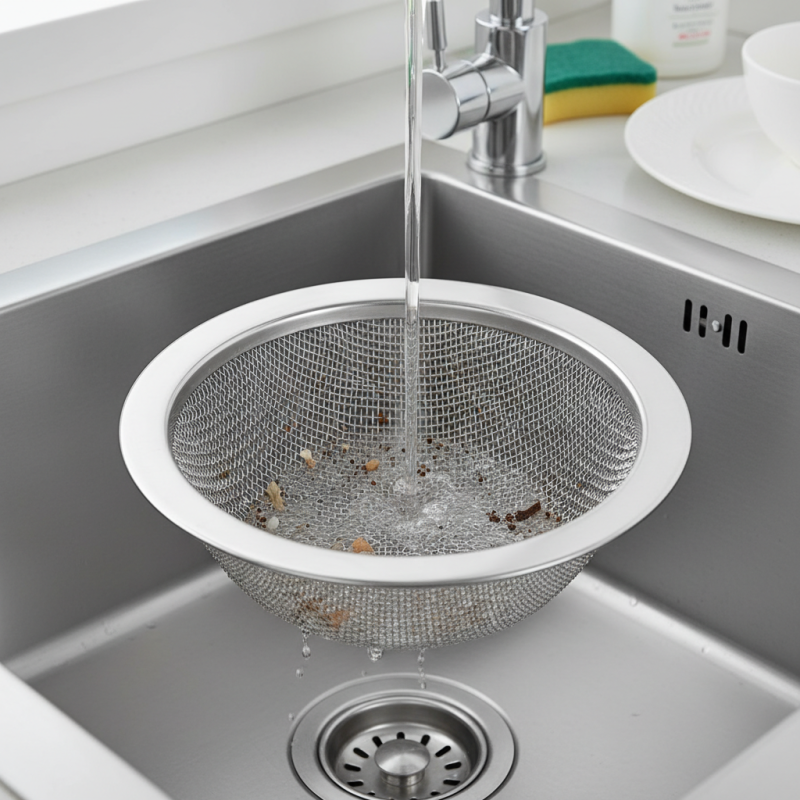
Understanding Kitchen Sink Strainers and Their Importance
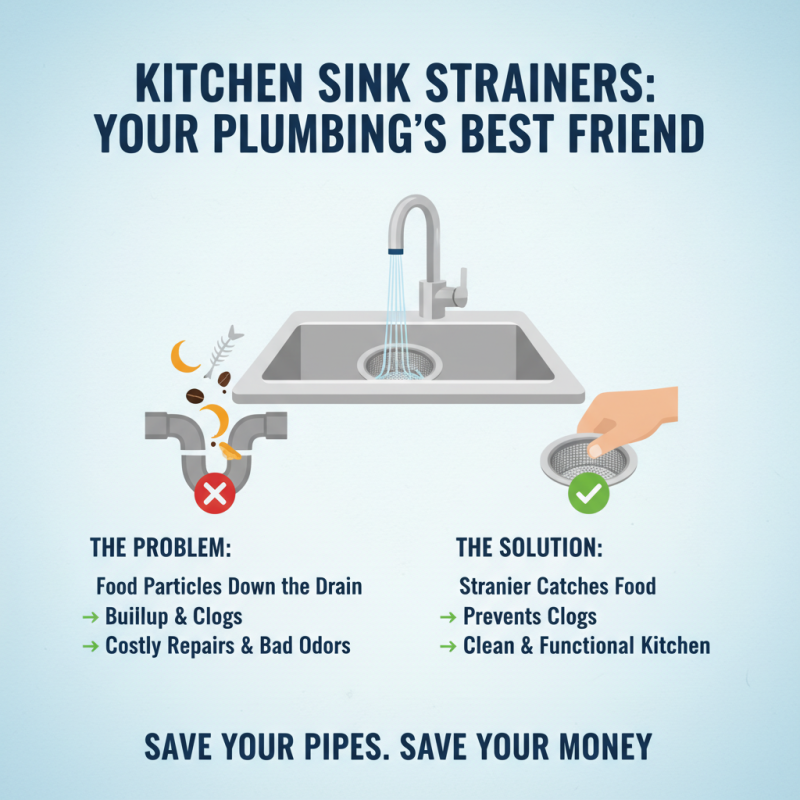
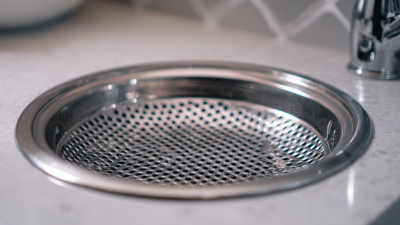
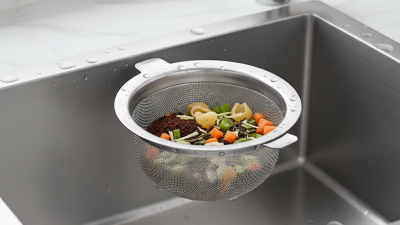
Understanding kitchen sink strainers is crucial for maintaining clean and functional kitchens. These devices catch food particles, preventing clogs in your plumbing. When you let food slip down the drain, it can cause buildup over time. That buildup can lead to costly repairs and unpleasant odors.
Investing in a quality sink strainer can save you headaches. It is essential to choose one that fits your sink snugly. A well-fitted strainer traps even small bits of debris. You'll notice fewer clogs and, in return, a fresher kitchen environment. But, not all strainers are created equal; some may allow tiny particles to pass through. The right choice means less time dealing with plumbing issues.
Regular cleaning is necessary for any strainer. Even the best ones can become clogged if not maintained. It can be easy to forget, but taking a few minutes to rinse and scrub your strainer can make a difference. Make it a habit to check it weekly. This small effort will ensure your sink remains functional and odor-free. Neglecting this can lead to recurring problems. A little attention goes a long way.
Types of Kitchen Sink Strainers: A Comprehensive Overview
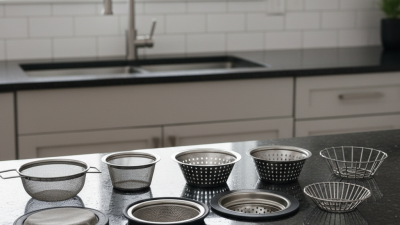
When it comes to preventing clogs and odors in your kitchen sink, choosing the right strainer is crucial. Various types of kitchen sink strainers serve different needs. A common option is the basket strainer. It features a removable basket that catches food particles. Some may struggle with cleaning these baskets regularly. Neglecting this can lead to odors.
Another popular choice is the Kitchen Sink Net Strainer. This type uses a mesh design to catch debris effectively. It's lightweight and easy to install. However, its fine mesh can also clog quickly. Regular rinsing is essential to maintain optimal performance. Many homeowners appreciate the simplicity of this strainer, yet its durability can be questionable over time.
Lastly, the pop-up strainer is an innovative option. It allows for easy waste disposal by pushing down on the cover. However, some users find it less reliable in sealing properly. This type may not handle heavy debris well. Be cautious about your choice, as each strainer type has its pros and cons. Regular maintenance remains key across all options.
Best Kitchen Sink Strainer to Prevent Clogs and Odors
This chart illustrates the effectiveness of various types of kitchen sink strainers in preventing clogs. A mesh filter proves to be the most effective, while plug strainers provide the least performance in this regard.
Key Features to Look for in a Kitchen Sink Strainer
Choosing the right kitchen sink strainer is crucial for preventing clogs and odors. When selecting a strainer, consider the material. Stainless steel is durable and resists rust. However, some models may rust over time. Plastic strainers are lightweight but may not last as long. Look for a balance between durability and ease of use.
The design is also important. A deep basket can catch more debris, reducing the need for frequent cleaning. But a deeper design might make removal difficult. Inspect the hole size in the strainer; too large holes can let small food particles escape, leading to clogs. It’s essential to find a strainer with a fine mesh to trap even tiny bits.
Consider a model with a removable basket. This feature makes cleaning easier and more efficient. Regular maintenance is essential, yet it can be overlooked in busy kitchens. Weigh your options carefully, and be prepared to reassess your choice over time. Rinsing and drying the strainer can help prolong its life, but not everyone follows this routine. Adopting better habits can enhance the overall functionality of your kitchen sink.
How to Properly Install a Kitchen Sink Strainer
Installing a kitchen sink strainer is a straightforward task that can significantly reduce clogs and odors. Begin by gathering your materials: the strainer itself, plumber's putty, and a wrench. Make sure to clean the sink area thoroughly. A clean surface ensures a better fit for the strainer, minimizing the risk of leaks.
Apply a generous amount of plumber's putty around the edge of the strainer. This step is crucial. A good seal prevents debris and food particles from slipping through. Carefully place the strainer into the sink hole. Then, from below, secure it with the locking nut, tightening it with your wrench. However, avoid overtightening, as it may crack the sink.
Tips: Always check for leaks after installation. Run water through the sink to see if any is escaping. If there are issues, you may need to adjust the tightness of the strainer. Consider upgrading to a high-quality option, such as a Gold Kitchen Sink Strainer, which can provide better durability and efficiency.
Regular maintenance is vital. Clean the strainer weekly to prevent buildup. Neglecting this can lead to stubborn clogs and unpleasant odors. A proactive approach will keep your kitchen in top condition.
Tips for Maintaining Your Kitchen Sink Strainer
Maintaining your kitchen sink strainer is essential for a smooth kitchen experience. A well-functioning Kitchen Sink Grid Strainer can significantly reduce clogs and prevent bad odors. Regularly inspecting your strainer can help catch food buildup before it escalates. Even the best strainers can fail if neglected, so building a routine is vital.
Cleaning your Kitchen Sink Grid Strainer once a week is a good practice. Remove it and rinse it under hot water. Use a soft brush to scrub off stubborn debris. This simple action keeps your strainer effective. However, not everyone keeps this routine. It's easy to forget when your schedule gets busy. A little effort can save you from unpleasant smells.
Consider using a bowl or container to catch food scraps before they enter the strainer. This extra step can minimize the mess significantly. Remember, even a minor accumulation can lead to problems later. Reflecting on your habits can reveal areas for improvement. Keeping your kitchen sink clean is not just about convenience; it also impacts your overall kitchen hygiene.
Common Problems and Solutions for Sink Clogs and Odors
Clogged sinks are a common headache for many households. Studies show that around 80% of plumbing issues stem from clogged drains. Food particles, grease, and soap scum can build up and create serious blockages. To tackle this, using a high-quality Kitchen Sink Strainer Basket can significantly reduce the risk of clogs. It effectively catches debris before it enters the plumbing system, allowing for a smoother drainage process.
Odors often accompany clogs, exacerbating the problem. According to a survey, nearly 78% of homeowners reported foul smells coming from their sinks due to stagnant water and decaying food particles. Cleaning your Kitchen Sink Strainer Basket regularly is vital for odor prevention. This simple maintenance task can ensure a fresher kitchen environment.
Yet, many overlook these preventative measures. A report indicated that half of the respondents admitted to neglecting their sink strainers. This can lead to more substantial plumbing issues and costly repairs. Regularly checking and replacing your strainer can save both time and money in the long run. Reflecting on these aspects can lead to a cleaner, more functional kitchen.
Best Kitchen Sink Strainer to Prevent Clogs and Odors
| Strainer Type | Material | Effectiveness | Installation Ease | Maintenance |
| Mesh Strainer | Stainless Steel | High | Easy | Low |
| Basket Strainer | Plastic | Medium | Moderate | Medium |
| Pop-Up Strainer | Brass | Very High | Difficult | High |
| Floating Strainer | Silicone | High | Easy | Low |
| Snap-On Strainer | Stainless Steel | High | Easy | Medium |
Recommended Kitchen Sink Strainers for Every Budget
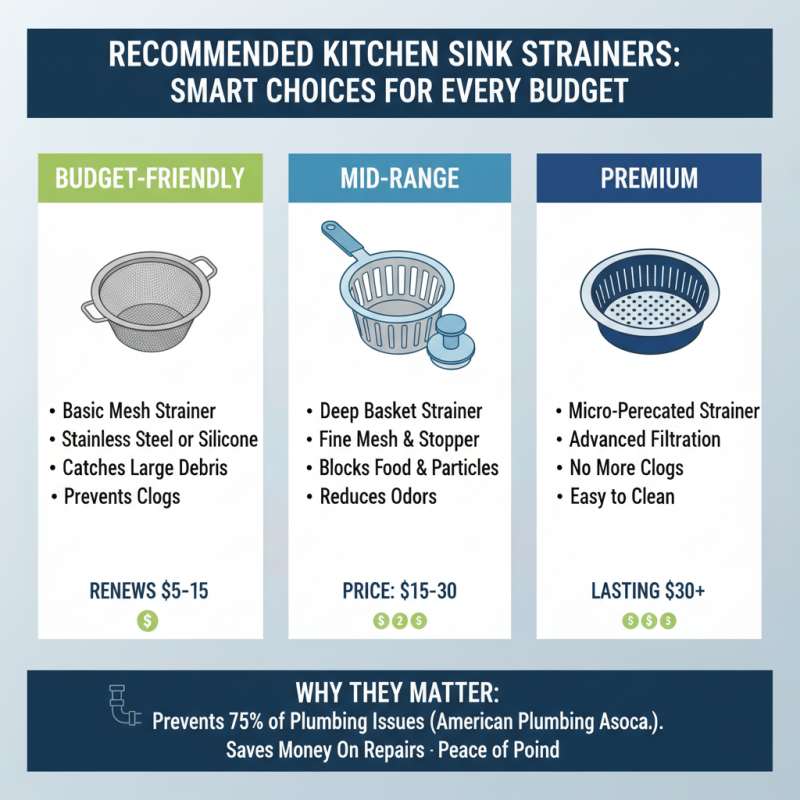
When it comes to preventing clogs and odors in your kitchen sink, choosing the right strainer is essential. A reliable kitchen sink strainer can significantly reduce the risk of blockages caused by food debris. According to a report from the American Plumbing Association, over 75% of household plumbing issues stem from kitchen sink clogs. Investing in a quality strainer can provide peace of mind and keep your plumbing system functioning optimally.
For budget-conscious consumers, there are affordable options that do not compromise quality. Simple mesh strainers can be found for as little as $5. These basic designs are effective at filtering out small food particles and can easily be cleaned. On the other end of the spectrum, premium options with advanced features, like odor traps and stainless-steel construction, might range from $20 to $50. These typically offer enhanced durability and better filtration, appealing to those willing to invest more.
However, functionality is not the only factor. Aesthetic appeal also plays a role in many kitchens. Strainers that are visually appealing can enhance your sink's look. Still, some people find that the more stylish designs can be harder to clean or maintain. It's important to strike a balance between form and function. Finding the right kitchen sink strainer requires weighing your specific needs against your budget, while considering longevity and maintenance.
Comprehensive Guide to the Deep Cup Strainer Ball-bearing Basket with Tailpiece JN-1006-T: Features, Benefits, and Installation Tips
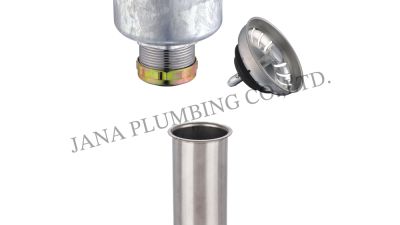
The Deep Cup Strainer Ball-bearing Basket with Tailpiece JN-1006-T is an exceptional addition for anyone looking to enhance their kitchen functionality. With its cUPC certification, this strainer guarantees a high standard of quality and safety. The design features a smooth ball-bearing basket that ensures effortless operation, making it an ideal choice for those who prioritize efficiency in their kitchen tasks. Whether you are washing vegetables or draining pasta, this strainer delivers both durability and ease of use.
Installing the JN-1006-T is straightforward, making it accessible for both professional installers and DIY enthusiasts. The tailpiece design complements a wide range of kitchen setups, allowing for seamless integration into existing plumbing. Moreover, its robust construction means it can withstand regular use without compromising on performance. With careful installation, users can enjoy the benefits of a reliable and low-maintenance kitchen accessory that simplifies everyday tasks. Overall, the Deep Cup Strainer not only meets practical needs but also enhances the overall aesthetic of your kitchen space.
FAQS
: Clean the sink area first. Apply plumber's putty around the strainer. Place it in the hole and secure from below.
Avoid overtightening the locking nut. This can crack your sink, causing leaks.
Run water through the sink. Look for any escaping water around the strainer.
Weekly cleaning is recommended. Rinse it under hot water and scrub gently.
Neglect can lead to stubborn clogs. It may also cause unpleasant odors in your kitchen.
Use a bowl to catch food scraps before they reach the strainer. It minimizes mess.
Regularly clean the strainer. Stagnant water and decaying food particles often cause foul smells.
Clogs can lead to plumbing issues. Food particles and grease are typical culprits.
Yes, neglect can result in costly repairs. Regular maintenance saves time and money.
Think about how often you clean your strainer. Identify areas for improvement to enhance your kitchen hygiene.
Conclusion
A kitchen sink strainer is an essential tool for preventing clogs and odors in the kitchen. Understanding its importance and function helps homeowners make informed decisions when selecting the right type for their needs. This article provides a comprehensive overview of various types of kitchen sink strainers, highlighting key features to look for, such as durability and ease of cleaning.
Proper installation and regular maintenance tips are also covered to ensure that your kitchen sink strainer functions effectively. Additionally, common issues related to sink clogs and unpleasant odors are discussed, along with practical solutions. Finally, the article offers recommendations for kitchen sink strainers suitable for various budgets, empowering readers to choose the best option for their kitchens.