You know, a Bathroom Sink Drain Grid might seem like a small thing, but it’s actually pretty important when it comes to modern plumbing. I was chatting with David Smith, a plumbing consultant over at Aqua Solutions, and he emphasized how crucial these little guys are: ‘A drain grid helps keep your pipes clear of hair, soap scum, and other gunk—basically preventing clogs and keeping the water flowing smoothly.’ Honestly, without one, your bathroom could turn into a real headache pretty fast.
These drain grids aren’t just there for show—they’ve got a real job. They catch all the stuff that would otherwise end up clogging your pipes, saving you from costly repairs later on. And I gotta say, a lot of folks tend to overlook this small but mighty tool. Skip on it, and you might end up dealing with bigger problems down the road.
It might seem like a tiny detail, but choosing the right drain grid can actually make your bathroom work better and last longer. It’s a good idea to check on yours from time to time—making sure it isn’t broken or clogged because a faulty grid can actually cause more stress than help. Spending a little time on these little things really shows you care about a home that functions smoothly and keeps you from future frustrations.
What is a Bathroom Sink Drain Grid?
A bathroom sink drain grid is a practical device designed to enhance functionality. It sits atop the drain, preventing debris from clogging the plumbing system. The grid allows water to flow freely while capturing hair and other small particles. This simple mechanism saves homeowners from dealing with messy backups and costly plumbing repairs.
Many people overlook the importance of a drain grid. Without one, hair and soap scum can accumulate, leading to blockages. Some may argue that a drain grid is unnecessary, but the benefits are clear. Regular maintenance becomes a hassle without this protective layer. It also contributes to a more hygienic bathroom environment.
Choosing the right drain grid can feel overwhelming. Options vary widely in materials and designs. Some people underestimate their need for sturdiness; cheap grids can rust or break easily. Reflecting on your choices can lead to better decisions. A durable, well-designed grid is essential for longevity and performance. Investing in a quality grid pays off in the long run.
The Functionality of a Drain Grid in Bathroom Sinks
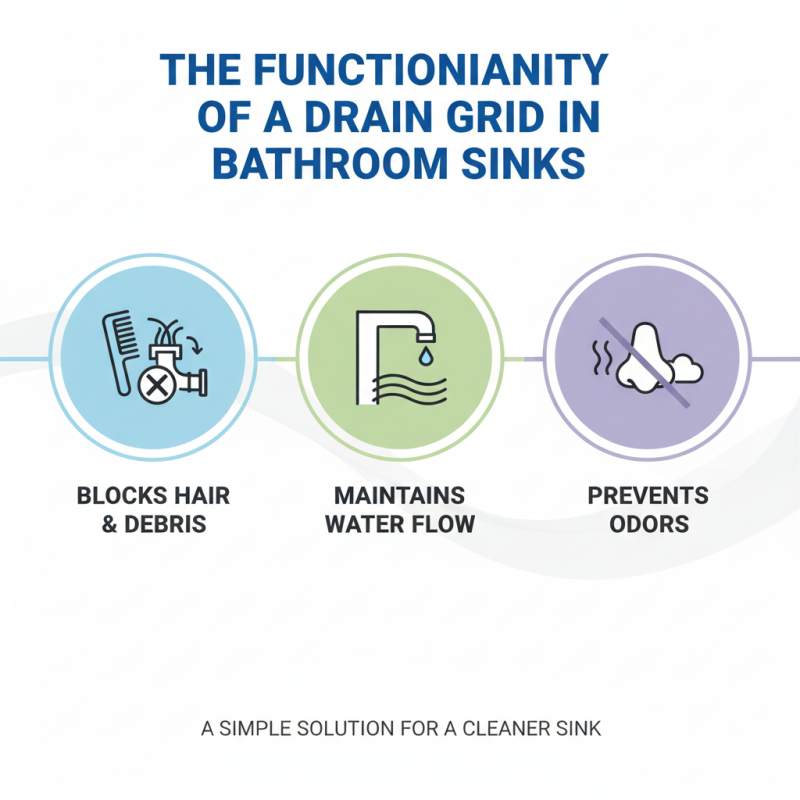
A drain grid in a bathroom sink serves several essential functions. It acts as a barrier, preventing small items like hair and soap residue from clogging the plumbing. This simple design helps maintain optimal water flow. When hair accumulates, it leads to slow drainage and can create unpleasant odors. A drain grid stops this issue effectively.
In addition to preventing clogs, a drain grid ensures cleanliness. Water flows smoothly while trapping debris. This minimizes the frequency of deep cleaning sessions. However, drain grids can become dirty and need attention. Neglecting them may lead to mold growth and attract bacteria. Regular cleaning helps maintain hygiene and prolongs the grid's lifespan.
While a drain grid seems straightforward, some designs are more effective than others. Not all grids fit every sink perfectly. Choosing the right size and material is vital for efficiency. An ill-fitting grid might allow debris to escape. This highlights the importance of measurements and proper installation for maximum effectiveness.
Benefits of Installing a Drain Grid in Your Bathroom
A bathroom sink drain grid is a simple yet effective addition to your plumbing system. Installing a drain grid can significantly reduce clogs caused by hair and debris. Industry reports suggest that over 80% of plumbing issues stem from these very obstructions. With a drain grid in place, you can improve the longevity and efficiency of your plumbing.
Drain grids also enhance hygiene in your bathroom. They trap solid waste and prevent it from entering the pipes, which reduces foul odors. According to a survey, around 70% of homeowners report improved cleanliness after installing a drain grid. This small change leads to fewer plumbing emergencies and costly repairs.
However, not all drain grids are created equal. Some designs might not fit perfectly with every sink type, leading to potential leaks or buildup if not maintained. Regular cleaning of the grid is essential to ensure it functions optimally. By choosing the right design and committing to regular maintenance, you can enjoy the many benefits of a drain grid.
What is a Bathroom Sink Drain Grid and Why Do You Need One? - Benefits of Installing a Drain Grid in Your Bathroom
| Feature | Description | Benefits |
| Material | Typically made of stainless steel or plastic | Durability and resistance to corrosion |
| Design | Variety of styles and sizes | Enhances bathroom aesthetics |
| Functionality | Prevents debris from clogging the drain | Reduces plumbing issues |
| Maintenance | Easy to clean and remove | Saves time and money on maintenance |
| Installation | Simple installation process | No need for professional help |
Common Materials Used for Bathroom Sink Drain Grids
A bathroom sink drain grid is essential for preventing debris from clogging your plumbing. Common materials for these grids include stainless steel, plastic, and brass. Each material has its advantages and drawbacks.
Stainless steel is popular due to its corrosion resistance and modern look. According to the National Association of Home Builders, around 40% of sinks installed today feature stainless steel grids. However, it can scratch easily, requiring careful cleaning.
Plastic grids are lightweight and typically less expensive. They are less prone to rust but may not match all design aesthetics. Research from the Kitchen and Bath Association suggests that 25% of homeowners prefer plastic due to its variety of colors. Yet, they can break more easily and need replacement sooner than metal options.
Brass grids add a touch of elegance. They are durable and resist corrosion; however, they can tarnish over time and may require polishing to maintain their shine. A report by the American Society of Interior Designers indicates that 15% of them prioritize aesthetics, favoring brass for decorative sinks.
Tip: Regular cleaning can extend the life of your drain grid. Avoid harsh chemicals that can damage certain materials.
Choosing the right drain grid depends on your sink's style and your maintenance preferences. Reflect on the functionality each material offers and its impact on your plumbing system to make an informed decision.
How to Choose the Right Drain Grid for Your Sink
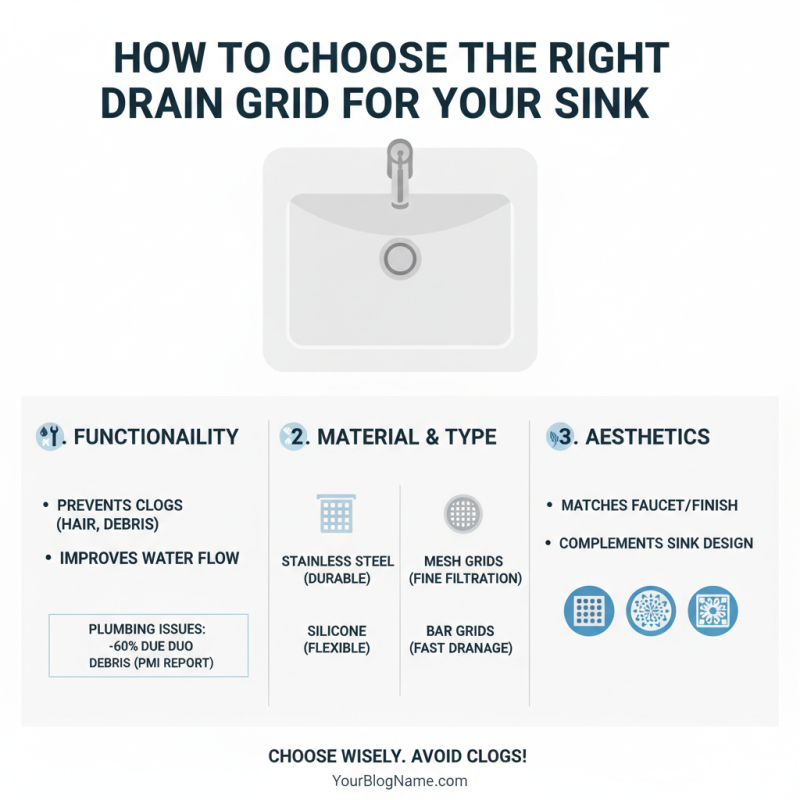
Choosing the right bathroom sink drain grid is vital for both functionality and aesthetics. A drain grid helps prevent debris from clogging pipes. According to a report by the Plumbing Manufacturers International, a significant percentage of plumbing issues stem from hair and debris accumulation. A well-chosen drain grid can significantly mitigate these problems.
When selecting a drain grid, consider size first. Measure your sink’s drain opening carefully. This ensures a snug fit. The material is also crucial. Stainless steel offers durability and resistance to corrosion. However, some users prefer plastic for a budget-friendly option. Aesthetic choices come into play too. Different styles and finishes can complement your sink design. Remember, a grid that looks good may encourage you to keep it clean.
Evaluate functionality as well. Some drain grids allow for easy removal, while others may be more difficult to clean. A complicated design may trap debris rather than keep it out. The balance between ease of use and style is essential. Regular maintenance of the chosen drain grid will keep your sink area tidy and functional. However, it might require more effort than expected. Adjusting to a routine is key.
Installation Tips for Bathroom Sink Drain Grids
Installing a bathroom sink drain grid can seem daunting, but it’s manageable with the right approach. Start by gathering the tools needed for the job. You’ll need a wrench, pliers, and possibly a plumber's tape. The process requires patience and attention to detail, as any oversight could lead to leaks.
Begin by removing the existing drain. This might involve unscrewing the drain assembly under your sink. Ensure you have a container to catch any water left behind. Once removed, clean the area thoroughly. A well-prepped surface helps ensure a good seal with the new drain grid. When positioning the grid, make sure it aligns correctly with the drain hole. Tighten it gently to avoid damaging the sink.
Don’t forget to check for leaks after installation. Running water through the sink helps identify any misalignment. If water seeps out, revisit your work. Adjustments may be necessary. It’s normal to encounter minor issues during installation. Reflect on your work to ensure a sturdy and watertight finish. The right attention can lead to a successful outcome.
Maintaining and Cleaning Your Drain Grid Effectively
A bathroom sink drain grid is a small yet vital component. It prevents debris from clogging your plumbing. Hair, soap scum, and other residues can accumulate in your sink. Regular maintenance and cleaning of your drain grid can help avoid expensive plumbing issues.
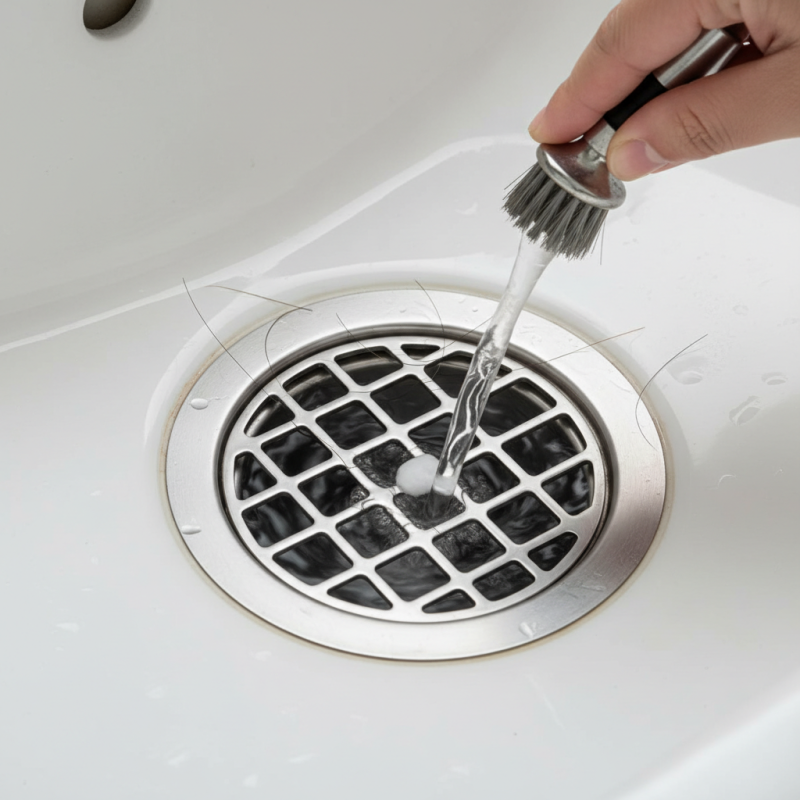
To keep your drain grid in top shape, start by removing it carefully. Rinse it under hot water to dislodge any trapped particles. A soft brush or old toothbrush works well to scrub the surface. You may need to soak it in vinegar to tackle tough grime. Make this a part of your regular cleaning routine to ensure smooth drainage.
Don’t forget about the space under the grid. A buildup of dirt and grime can create odors. Wipe this area regularly to maintain cleanliness. Remember, neglecting this task might lead to more significant problems later. Small efforts lead to a clean, functional space. Regular care makes a big difference in the long run.
Conclusion
A Bathroom Sink Drain Grid is a crucial component that helps prevent debris and hair from clogging your sink's drainage system. Functionally, it acts as a barrier, allowing water to flow smoothly while trapping unwanted materials. Installing a drain grid in your bathroom comes with several benefits, including reduced maintenance costs and less frequent plumbing issues. These grids are commonly made from durable materials such as stainless steel, plastic, and brass, which offer varying levels of resistance to corrosion and wear.
When choosing the right Bathroom Sink Drain Grid, consider factors such as size, material, and design to ensure it fits well with your sink. Proper installation can enhance its effectiveness, while regular maintenance, including cleaning, will prolong its lifespan. By understanding the functionality and benefits of a drain grid, homeowners can make informed decisions to protect their sinks and plumbing systems.