As global trade keeps changing and growing, it's no surprise that the demand for Adapter Bushinghas shot up quite a bit. Industry pro John Williams points out, “Getting a good handle on the ins and outs of Adapter Bushings can really make a big difference in how well your equipment works and how smooth things run.” That kind of insight highlights just how tricky it can be for buyers trying to sort through all the options, especially when they're dealing with suppliers in China.
Lots of buyers are on the hunt for solutions that are tough and reliable but still affordable. The problem? The market’s HUGE, and it can feel pretty overwhelming. Every manufacturer seems to have their own design, their own mix of materials—so it’s really important to take a close look at what’s on offer. The right Adapter Bushing can totally boost how well your machinery performs, but picking a trustworthy supplier isn’t always easy. Different companies have different standards, and the quality controls can vary a lot.
Dealing with all these variables means you need a bit of patience and some know-how. Rushing into a decision isn’t a great idea—doing your homework and chatting with experts can make all the difference. Taking the time to research and ask questions means you’ll be making smarter, more informed choices. Sure, the world of Adapter Bushings might seem complicated at first, but if you’re willing to put in the effort, it can really pay off in the long run.

Understanding Adapter Bushings: Definition and Purpose
Adapter bushings are essential components in various mechanical systems. They serve as connectors between different sizes of shafts or holes, allowing for smoother operation and alignment. Their primary purpose is to reduce wear and tear, ensuring machinery runs efficiently.
These bushings come in various materials, including nylon, metal, and rubber. Each material offers unique benefits. For example, nylon is lightweight and resistant to corrosion, while metal options provide increased strength. When selecting an adapter bushing, factor in the specific application requirements, such as load capacity and environmental conditions.
It's crucial to consider the design and compatibility of the adapter bushing. An improper fit can lead to significant issues down the line. Regular inspection can prevent unexpected failures. While this knowledge helps, occasional mistakes in choosing the right bushing can occur. Reflecting on past choices can guide future decisions, improving overall performance in mechanical systems.
Key Materials Used in Adapter Bushing Manufacturing
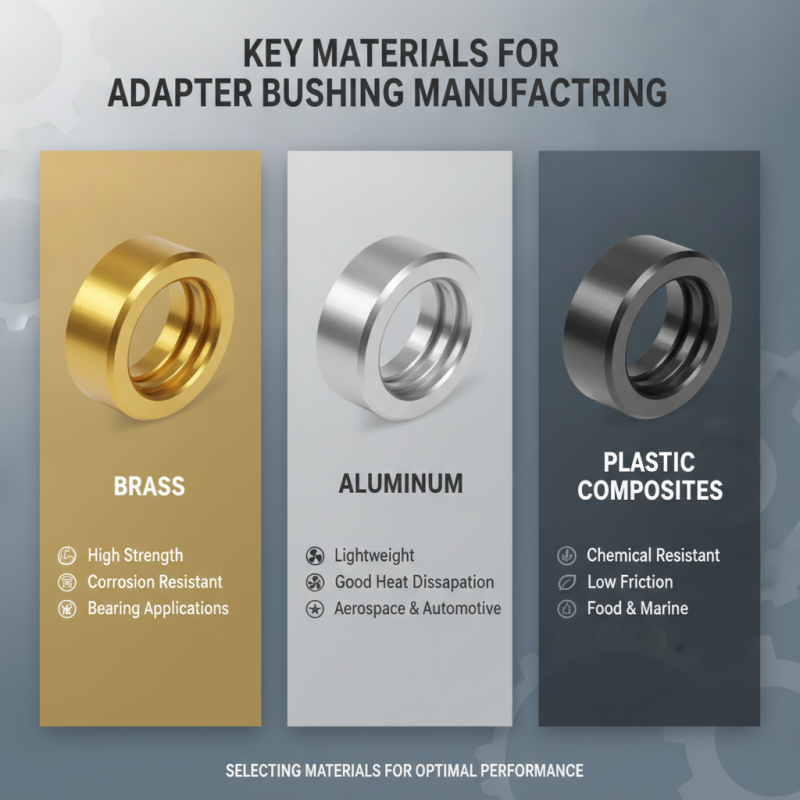
Adapter bushings are essential components in various mechanical systems. Manufacturers select specific materials based on performance needs and durability requirements. Among the most popular materials are brass, aluminum, and plastic composites. Each material exhibits unique properties that cater to different applications.
Brass is frequently chosen for its excellent resistance to corrosion and high wear. It offers high strength and good thermal conductivity. Recent industry reports highlight that brass adapters can extend service life by 25% compared to less robust alternatives. However, the cost of brass is higher, which can affect budget considerations for manufacturers.
Aluminum is lightweight and offers good tensile strength, making it a versatile choice. Its resistance to oxidation also contributes to its popularity. Nonetheless, it may not perform as well in high-temperature applications. Plastic composites are another option, known for their resistance to chemicals and moisture. However, they have limited load-bearing capacities. Manufacturers continually assess these materials to optimize performance and cost-effectiveness in various applications. The constant evolution of material science brings new innovations but also requires careful evaluation to ensure reliability in production.
Top Countries for Sourcing Adapter Bushings
When sourcing adapter bushings, certain countries stand out for global buyers. These regions not only have established manufacturing capabilities but also provide a wide variety of materials and designs. China, for instance, has become a hub for cost-effective production. Many factories specialize in customizable solutions. Buyers can often find manufacturers eager to meet specific requirements and standards.
India also presents itself as an emerging player in the adapter bushing market. With its growing industrial sector, it offers competitive pricing. However, sourcing from India may require deeper market research. The quality can vary, and communication can sometimes be challenging. Buyers should consider these factors before making commitments.
In Europe, countries like Germany have a reputation for precision and quality. While prices may be higher, the reliability of products often justifies the cost. Buyers must weigh their options carefully. Each region has its unique advantages and challenges, making informed decisions essential.
Top Adapter Bushing Options for Global Buyers in China - Top Countries for Sourcing Adapter Bushings
| Country | Material Type | Standard Size (mm) | Production Capacity (units/year) | Average Price (USD) |
| China | Steel | 20 | 500,000 | 1.50 |
| India | Aluminum | 25 | 300,000 | 1.20 |
| Germany | Bronze | 30 | 200,000 | 2.00 |
| USA | Plastic | 22 | 250,000 | 0.80 |
| Japan | Copper | 28 | 150,000 | 1.75 |
Popular Types of Adapter Bushings Available in China
In the global market, adapter bushings play a vital role in ensuring connections between different pipe systems. Various materials are used, but brass is favored due to its durability and resistance to corrosion. The demand for Brass Trap Adapters, for instance, has been increasing rapidly. A recent industry report noted a 15% growth in the demand for brass adapters in the past year.
Adapter bushings are available in assorted types, catering to diverse applications. For example, threaded and slip-fit designs are popular due to their ease of installation. A significant percentage, over 60%, of buyers prefer adjustable options that allow flexibility in connection sizes. The compactness of these bushings helps them fit into tight spaces, making them desirable for many customers. However, not all options are equally efficient; some fittings may not provide optimal sealing.
Quality standards are critical. Compliance with international specifications ensures performance and reliability. While many suppliers claim to follow these standards, inconsistencies in the manufacturing process can occur. This raises concerns among buyers. Choosing the right supplier is essential to mitigate risks. Focused research on supplier credentials helps in making informed decisions. A balanced approach, weighing costs against quality, will generally yield better long-term results.
Top Adapter Bushing Options for Global Buyers in China
Evaluating Quality Standards for Adapter Bushings
When evaluating adapter bushings, quality standards vary widely. Not all manufacturers adhere to the same guidelines, which can lead to significant differences in performance. It’s vital to choose products tested against international standards. This guarantees safety, durability, and compatibility with different applications.
Inspection criteria are key. Size accuracy, material strength, and surface finish are essential aspects to consider. A well-manufactured bushing fits snugly, reducing the risk of failure. However, not every supplier meets these expectations, so diligence is crucial. Each element requires careful evaluation, reflecting on how it impacts overall functionality.
In practical terms, buyers must ask targeted questions. How are materials sourced? What testing protocols exist? Inspecting documentation can reveal a lot. Not every supplier provides transparent information, making it harder to gauge reliability. The manufacturing process may include variations that affect quality. Learning from past experiences is essential for making informed decisions.
Factors to Consider When Choosing Adapter Bushings
When selecting adapter bushings, there are several critical factors to weigh. Material choice is pivotal. Common materials include brass and aluminum. Brass offers great durability and resistance. Aluminum is lighter but might wear faster. Consider the application for optimal performance.
Dimensions and specifications are equally important. Proper sizing ensures a secure fit. Measure carefully to avoid costly mistakes. Tolerances should meet your equipment’s requirements. Even minor oversights can lead to inefficiencies or failures.
Compatibility with existing systems should not be overlooked. Ensure the adapter bushing matches other components. Failing to check compatibility might cause a poor connection. Additionally, think about the environment where these parts will be used. Temperature and humidity can affect performance. Testing is necessary to validate assumptions. This process might reveal unexpected challenges.
Logistics and Import Considerations for Global Buyers
When navigating the logistics and import landscape in China, global buyers must consider a multitude of factors. According to the International Trade Centre, over 40% of buyers experience delays in customs clearance. This data illustrates the critical nature of thorough preparation. Importers should ensure all paperwork is in order, including invoices and compliance documentation. Unexpected requests for additional certification can lead to significant delays.
Import duties and tariffs will also impact costs. Recent reports indicate that duty rates can vary from 5% to 25%, depending on the product category. Understanding these rates beforehand can aid buyers in tailoring their budgets. Engaging a local logistics expert may provide invaluable insights. They can help navigate the complexities of China’s regulatory framework effectively.
While many buyers focus on pricing, overlooking logistics can jeopardize the entire supply chain. A study by the World Bank showed that logistical inefficiencies could cause a 15% increase in overall costs. It's crucial to evaluate shipping options, tracking technologies, and delivery timelines. This commitment to logistics will ensure a smoother import process and foster long-term supplier relationships.
The Ultimate Guide to Choosing the Right Adapter Bushing: Spotlight on the JN-3011 Model
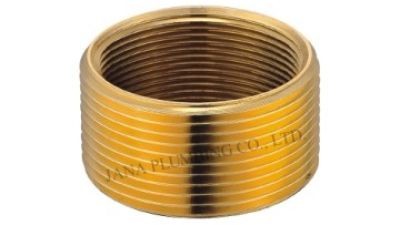
Choosing the right adapter bushing is crucial for ensuring the optimal performance of mechanical systems. The JN-3011 model is an excellent choice for those seeking reliability and precision. This adapter bushing is meticulously crafted to function as a connecting element between components of varying sizes or shapes, making it an essential part of any mechanical assembly. The ability of the JN-3011 to facilitate smooth transitions between parts can enhance the overall efficiency of any system it is integrated into.
One of the standout features of the JN-3011 is its construction from high-quality materials that ensure durability over time. This not only contributes to the longevity of the component but also assures users that the bushing can withstand mechanical stresses without compromising performance. Additionally, its precision machining plays a vital role in minimizing friction and wear, which can be significant contributors to system inefficiency and additional maintenance costs. By selecting the JN-3011 adapter bushing, users can expect improved operational smoothness and a noticeable enhancement in their mechanical systems' functionality.
FAQS
: Adapter bushings connect different sizes of shafts or holes in mechanical systems.
Common materials are nylon, metal, and rubber, each with unique benefits.
An improper fit can cause significant issues and lead to unexpected failures.
China and India are popular, but Europe, especially Germany, offers high-quality options.
Quality can vary, and communication may be a challenge; market research is essential.
Delays in customs and unexpected certification requests can complicate imports.
Duties can range from 5% to 25%, affecting overall costs substantially.
A 15% increase in costs due to logistical issues is common; careful evaluation is crucial.
Frequent checks can prevent failures, ensuring smoother operation and longer lifespan.
They provide insights on navigating regulatory frameworks, facilitating a smoother import process.
Conclusion
The article "Top Adapter Bushing Options for Global Buyers in China" provides a comprehensive overview of adapter bushings, which are essential components used to facilitate connections between different pipe sizes and types. Understanding their definition and purpose is crucial for buyers, as these components ensure proper fitting and functionality in various applications. The article explores key materials commonly used in manufacturing adapter bushings, highlighting the importance of quality and durability.
Additionally, it identifies the top countries for sourcing adapter bushings, with China being a prominent manufacturer. Various types available in the Chinese market are discussed, along with the critical quality standards that buyers should evaluate. Factors to consider when choosing adapter bushings include compatibility, material properties, and intended use. Finally, the article addresses logistics and import considerations that global buyers must navigate when sourcing these components from China, ensuring a smooth procurement process.