Leave Your Message
0%

Let’s face it—global buyers aren’t messing around in 2026. They want better hygiene, durability, and easier installation, plain and simple. And that Floor Drain Strainer? It’s not just some afterthought accessory anymore. It actually plays a big role in how fast water drains, whether smells stay out, how often you need to clean it, and even how safe you are in the bathroom. Who knew a tiny grate could matter so much?

So, the World Health Organization’s guidelines on sanitation and health really stress the importance of designing sanitary facilities that are hygienic, keeping drainage safe, and making sure maintenance is done properly. On top of that, the WHO and UNICEF’s Joint Monitoring Programme found that back in 2022, a whopping 3.5 billion people didn’t have access to safely managed sanitation services. That’s a huge number, right? It just goes to show how much we need practical drainage components—especially in places like hotels, hospitals, apartment buildings, and other public spaces. When you're selecting, you've got to consider the local water quality, cleaning habits, and construction standards – I mean, those are the things that really matter.

So, there's this industry data from Grand View Research and Fortune Business Insights showing the plumbing fixtures and bathroom equipment markets are still growing, which is nice. They say renovation, urban housing, and commercial construction are the big drivers. But here's the thing – those reports don't really talk about what happens after you install everything. I mean, a stainless steel strainer might handle the salty air at a beach hotel just fine, but if the outlet is undersized, you're still left with standing water. That's a tiny detail that's super easy to overlook.

Alright, so if you're shopping for Floor Drain Strainers internationally, you've got a bunch of options—stainless steel, brass, plastic, tile-insert, linear, and anti-odor types. And it's not just about picking one. You've gotta think about load capacity, how wide the grate openings are, flow performance, sealing, packaging, and even how easy it'll be to replace later. But here's the thing: don't just trust what the marketing says. Always verify the product certifications with the actual current documentation—those can change. And honestly, no report can replace a real site test. That's a pretty important caveat. Also, talk to local installers; they might know issues that factory samples silently hide.
2026 Best Floor Drain Strainer Types for Global Buyers

What Is a Floor Drain Strainer and Why Does It Matter?

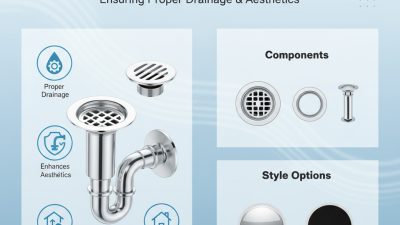
A floor drain strainer is the removable cover and filtering component installed above a floor drain. It allows water to pass while holding hair, grit, food particles, and other debris. A Floor Drain Basket adds a deeper collection space, which can reduce blockages in kitchens, bathrooms, laundries, and commercial wash areas.

Its importance becomes clearer in poorly maintained drainage systems. The WHO and UNICEF Joint Monitoring Programme reported in 2023 that 3.5 billion people lacked safely managed sanitation services. A small strainer cannot solve that global challenge. However, it can support cleaner, more controlled wastewater flow inside buildings. In practical use, a well-fitted strainer also limits odors, pests, and accidental entry of small objects. I have seen installers focus on appearance first. That choice often creates trouble later. Drainage performance needs equal attention.

Tips: Check the outlet diameter, flow rate, load rating, and cleaning access before purchasing. Stainless steel suits wet, busy areas, while polymer options can reduce cost and weight. Choose a removable basket with visible openings. Tiny slots may clog quickly with hair and soap residue. Inspect it weekly in high-use spaces. Do not assume every “universal” model fits every drain. Local plumbing requirements, grate spacing, and anti-slip expectations may differ. Product claims should be checked against test documents, installation instructions, and applicable standards such as EN 1253 or ASME A112.6.3.

2026 Best Floor Drain Strainer Types for Global Buyers

What Is a Floor Drain Strainer and Why Does It Matter?

A floor drain strainer is the removable cover or screen installed over a floor drain to block hair, solids, and debris while allowing water to pass through. The chart compares typical clear open-area ranges used in common strainer designs. A larger open area generally supports faster drainage, while smaller openings provide finer debris protection.

Values represent indicative midpoint specifications from commonly used drainage designs; actual performance depends on drain diameter, water depth, opening geometry, installation, and maintenance requirements.

How Floor Drain Strainers Work in Different Drainage Systems

A Floor Strainer controls what enters a drainage pipe, but its performance depends on the drainage system beneath it. In a gravity system, water falls through the grate and moves toward the main line. The body needs a stable slope, smooth internal surfaces, and enough flow capacity. A removable basket catches hair, sand, and construction debris before blockage develops. Small details matter. A 50-millimeter water seal is common in trapped floor drains, but local codes can require different dimensions.

Wet rooms usually use point drains, while commercial kitchens and industrial floors often use longer channel drains. Channel systems collect water across a wider area, which helps where floors receive frequent washing.

Pumped basement systems need extra attention. The drain must resist backflow, and its grate should tolerate occasional standing water. In areas exposed to oil, chemicals, or heavy loads, material selection and load rating become more important than appearance.

EN 1253 provides useful performance guidance for drainage gullies, though buyers should still verify national requirements.

The WHO and UNICEF Joint Monitoring Programme reported that 3.5 billion people lacked safely managed sanitation in 2022. The U.S. EPA’s 2022 Clean Watersheds Needs Survey estimated $630.1 billion in wastewater and stormwater infrastructure needs.

These figures show why dependable drainage components matter. A larger opening is not automatically better. It may admit gravel and overload the trap. In practice, maintenance access is often overlooked. Buyers should check flow rate, grate loading, trap depth, cleaning frequency, and pipe connection size. Product sheets can look convincing, yet real performance still depends on installation quality and regular inspection.

Main Types of Floor Drain Strainers for Global Buyers

2026 Best Floor Drain Strainer Types for Global Buyers

Main Types of Floor Drain Strainers for Global Buyers

Floor drain strainers usually fall into several practical categories. Standard grate strainers use square or round openings for bathrooms, balconies, and utility rooms. Their simple structure supports quick cleaning and routine inspection. Stainless steel versions resist moisture well, but surface quality still matters. Thin metal can bend under repeated foot traffic.

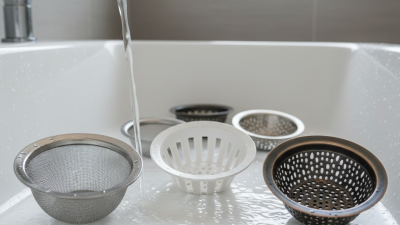
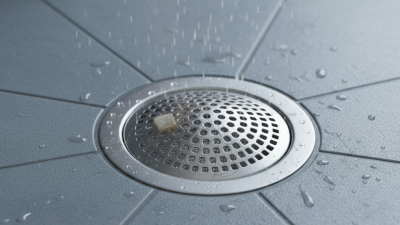
Perforated basket strainers catch hair, soap residue, and larger debris before it reaches the drainpipe. They work well in showers and commercial washrooms where maintenance happens frequently. A removable basket makes cleaning easier. However, small holes may slow drainage when hair builds up. That weakness is easy to overlook during product selection.

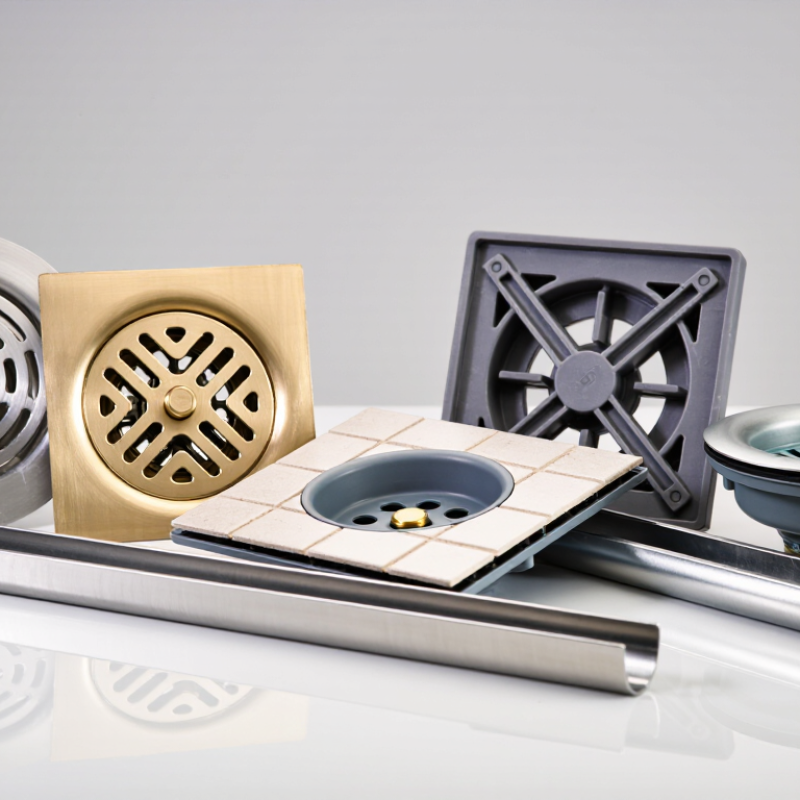
Linear channel strainers suit modern showers and larger wet areas. They provide a longer drainage path and can reduce visible water pooling near walls. Tile-insert strainers create a flatter appearance by holding a matching floor tile. They need accurate installation and careful access planning. Poor alignment becomes obvious under bright bathroom lighting. Adjustable-height models help manage different floor finishes, but buyers should confirm dimensions, load ratings, and outlet compatibility. For outdoor areas, debris-resistant grates with stronger frames may perform better. Local climate, cleaning habits, and installation skill can change the best choice.

2026 Best Floor Drain Strainer Types for Global Buyers - Main Types of Floor Drain Strainers for Global Buyers

Floor Drain Strainer Type Typical Shape and Size Common Materials Drainage Configuration Best-Fit Applications Main Advantages Key Limitations Maintenance Level Relative Cost Buyer Selection Notes
Standard Point-Drain Grate Round or square; commonly 75–150 mm outlet size with a 100–200 mm visible grate Stainless steel, brass, cast iron, or ABS/PVC plastic Central outlet with a perforated or slotted top surface Bathrooms, utility rooms, balconies, kitchens, and general wet areas Widely compatible, easy to source, simple to install, and suitable for many floor finishes Less effective for directing water across large floors; small openings may clog with hair or debris Low to medium Low to medium Confirm outlet diameter, grate load rating, waterproofing flange, and compatibility with the local pipe system
Tile-Insert Drain Strainer Usually square or rectangular; approximately 100–300 mm wide, depending on the tile layout Stainless steel, aluminum, or coated metal with a removable tile tray Point-drain body concealed beneath a tile-filled or stone-filled cover Contemporary bathrooms, hotels, spas, and architectural interiors Blends with the surrounding floor, supports a clean visual appearance, and can use matching tile Requires accurate tile cutting and leveling; heavier inserts may reduce accessible drainage area Medium Medium to high Check tray depth, allowable tile thickness, removable access, and the relationship between visible cover area and actual flow area
Linear or Channel Drain Grate Long rectangular format; commonly 600–1200 mm long, with widths around 70–150 mm Stainless steel, galvanized steel, polymer concrete, or reinforced plastic Long channel body with a continuous grate or narrow slot cover Large-format tile showers, wet rooms, commercial washrooms, and accessible shower zones Provides an extended collection area, simplifies floor sloping in some layouts, and offers modern design options Needs precise floor falls and waterproofing; long units can be more difficult to transport, align, and clean Medium to high Medium to high Compare channel length, outlet position, grate load class, cleaning access, and required waterproofing connection
Slot Drain Strainer Narrow visible slot; often 20–50 mm wide with a length selected for the floor plan Stainless steel, galvanized steel, or polymer-based channel materials Minimal-gap slot connected to a concealed linear drainage channel Minimalist bathrooms, commercial interiors, food preparation areas, and design-led projects Low visual impact, continuous appearance, and good compatibility with modern architectural floors Narrow slots can be harder to inspect; correct installation and regular flushing are important Medium to high Medium to high Verify removable access points, debris management, flow capacity, anti-slip performance, and cleaning tools required
Heavy-Duty Grated Floor Drain Round or square; common grate sizes range from about 100–300 mm Ductile iron, cast iron, stainless steel, or reinforced metal assemblies Point or channel drainage with a load-rated grate and reinforced frame Garages, warehouses, workshops, loading areas, and industrial floors Handles higher wheel and pedestrian loads, resists impact, and is suitable for demanding environments Heavier and typically more expensive; metal surfaces may require corrosion protection in aggressive conditions Medium Medium to high Use the project load class and installation conditions to select the grate; do not judge capacity by appearance alone
Anti-Odor or Trap-Seal Floor Drain Strainer Usually round or square; commonly paired with 50–110 mm drainage outlets Stainless steel, brass, ABS, PVC, or elastomeric sealing components Drain strainer combined with a water trap, membrane seal, or mechanical odor barrier Guest bathrooms, seasonal properties, basements, and areas where sewer odor control is important Helps reduce odor, insect entry, and air movement from the drainage system when correctly installed Seals can collect debris or wear over time; some designs may restrict flow if poorly maintained Medium Medium Check whether the design uses a water seal or dry mechanical seal, its cleaning method, and compatibility with local plumbing codes
Removable Basket or Debris-Catching Strainer Round, square, or rectangular; basket depth and opening size vary by drain body Stainless steel, galvanized steel, brass, or durable plastic Perforated basket or lift-out insert positioned below or within the grate Kitchens, laundry rooms, workshops, commercial wash areas, and locations with visible debris Captures hair, solids, and larger debris before they enter the pipe; the insert is easy to remove and empty Requires frequent cleaning; a full basket can slow drainage and cause standing water High Low to medium Compare basket capacity, handle design, perforation size, corrosion resistance, and access without removing the entire drain body
Anti-Rat or Pest-Resistant Floor Drain Grate Usually round or square; size selected according to the drain outlet and required grate area Stainless steel, galvanized steel, ductile iron, or coated steel Grate fitted with a close mesh, flap, or one-way pest-resistant mechanism Basements, service rooms, food facilities, outdoor utility areas, and pest-sensitive locations Helps limit pest entry while retaining the basic function of a floor drain Fine mesh or moving components can accumulate dirt and may require more frequent inspection Medium to high Medium Ensure the pest-control feature does not excessively reduce the open drainage area or interfere with cleaning access
Balcony and Terrace Drain Grate Round, square, or low-profile rectangular; often paired with 75–110 mm outlets Stainless steel, aluminum, galvanized steel, PVC, or UV-resistant polymer Low-profile point drain or scupper-style drainage with a debris-resistant top Balconies, terraces, roof decks, patios, and exterior paved areas Supports outdoor drainage, helps retain leaves and coarse debris, and can suit shallow floor build-ups Exposed products face UV, temperature changes, standing water, and debris; freezing conditions require suitable design Medium Low to medium Check UV resistance, freeze-thaw suitability, waterproofing integration, overflow planning, and the local rainfall design requirement
Custom-Size Modular Floor Drain Grate Made-to-order round, square, rectangular, or multi-section formats Stainless steel, brass, cast iron, aluminum, or engineered polymer Configured for special layouts, multiple outlets, unusual floor finishes, or project-specific drainage channels Large commercial projects, public buildings, renovation work, and non-standard architectural floors Offers design flexibility and can accommodate unusual dimensions or coordinated floor patterns Longer lead times, higher tooling or engineering costs, and more complicated replacement planning Medium High Provide accurate drawings, outlet locations, finish thickness, load requirements, drainage calculations, and installation tolerances

How to Compare Materials, Sizes, Shapes, and Load Ratings

Choosing a floor drain strainer starts with the site, not appearance. The WHO/UNICEF Joint Monitoring Programme reported that 3.5 billion people lacked safely managed sanitation in 2022. Reliable drainage hardware therefore matters in homes, hotels, factories, and public buildings. Stainless steel 304 suits most wet rooms and resists routine corrosion. Stainless steel 316 performs better near saltwater, chemicals, and coastal humidity. Brass offers strength, but its finish may change over time. ABS is lightweight and economical, although high heat can limit its use.

Size and shape must match the drain body exactly. Common diameters include 50, 75, and 100 millimeters. Square covers can improve alignment along tiled walls. Round covers often simplify replacement. A Toilet Floor Flange is not a drain strainer. It connects the toilet base to the drainage pipe and needs separate dimensional checking. For load ratings, review EN 1253-1 classifications or the relevant ASME A112.6.3 requirements. Pedestrian areas may need a lighter class, while garages and service corridors require stronger covers. Never guess.

The difficult part is real-site variation. Tile thickness, waterproofing layers, and pipe offsets can defeat a seemingly correct specification. I would request drawings, drainage-flow details, and test certificates before ordering. A high load rating cannot repair poor installation. Even stainless steel can stain when incompatible cleaners are used. That detail is easy to miss. Reports and standards help, but field inspection remains necessary.

Which Strainer Features Suit Homes, Commercial Sites, and Industry?

For homes, choose a removable basket strainer with fine perforations, smooth edges, and an odor-control trap. It should catch hair and food particles without slowing shower flow. The U.S. Environmental Protection Agency reports that household leaks waste nearly 10,000 gallons of water yearly. A blocked strainer can worsen unnoticed leakage around seals and joints. Easy access matters more than decorative finishes.

Commercial sites need stronger features.
Restaurants, hotels, and public buildings require high-flow channels, stainless steel baskets, anti-slip grates, and quick cleaning access. The WHO and UNICEF Joint Monitoring Programme reported that 2.2 billion people lacked safely managed drinking water in 2022. This highlights the value of hygienic drainage maintenance, especially in busy washrooms. A larger opening is not always better. It may allow solids to enter the pipe.

Industrial floors demand load-rated grating, deep sediment baskets, chemical-resistant materials, and inspection points. Food plants may need fine debris control, while workshops often need heavier grates and oil-resistant seals. Always verify flow capacity, local plumbing requirements, and cleaning procedures with a qualified engineer.

Tips: Match the strainer to expected solids, not only pipe diameter. Test removal with wet gloves. Check the seal after installation. My practical concern is often overlooked: even a high-quality strainer fails when staff cannot remove it safely. Record cleaning frequency, then adjust it after real site experience.

How to Check Standards, Installation Needs, and Supplier Quality

2026 Best Floor Drain Strainer Types for Global Buyers

Choosing a floor drain strainer starts with the project, not the catalogue. In site inspections, I check grate size, outlet diameter, trap depth, and available floor height. A 100 mm outlet may suit a bathroom, while a commercial wash area often needs higher flow capacity. The correct slope matters too. Most tiled floors need about 1–2% toward the drain. Waterproofing must connect securely around the flange. Small errors can cause standing water.

Global buyers should compare applicable plumbing standards before placing an order. EN 1253 may guide certain drain applications, but local requirements can differ. Request dimensional drawings, load classifications, material declarations, and test records. For stainless steel, confirm the actual grade rather than accepting “premium steel.” A Sink Drain Strainer may look similar, yet its basket design and connection details differ from a floor drain product.

Supplier quality appears in the details. Ask for batch traceability, inspection photos, tolerance data, and a sample before mass production. Check whether the removable strainer fits without rocking. Test the cover with wet hands; sharp edges are easy to miss. I once focused too heavily on surface finish and overlooked an unsuitable outlet height. That mistake changed my inspection checklist. A polished sample proves little without consistent production records and clear installation guidance.

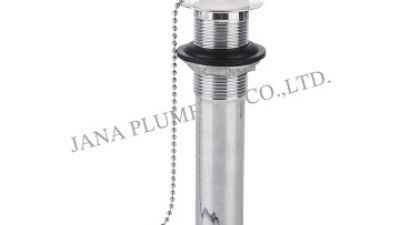
P.O. Plug Drain With Loverflow JN-5091-2: Features, Benefits, Installation, and Applications

The P.O. Plug Drain With Loverflow JN-5091-2 is designed to support dependable drainage and overflow control in plumbing systems where consistent water management is essential. Its durable construction helps withstand regular exposure to moisture, pressure, and daily use, while the plug-style design provides practical control during cleaning, maintenance, or temporary water retention. The integrated Loverflow arrangement offers an additional safeguard against unwanted overflow when installed correctly.

Water-management performance is increasingly important in commercial and residential facilities. U.S. Environmental Protection Agency WaterSense data indicates that household leaks can waste more than 10,000 gallons of water annually, while nationwide leaks account for nearly 1 trillion gallons of wasted water each year. In this context, a properly fitted drain component can contribute to better system control, reduce avoidable water loss, and support more reliable fixture operation. The JN-5091-2 is suitable for bathrooms, utility areas, wash stations, commercial facilities, and other locations requiring efficient drainage.

Installation begins by confirming drain dimensions, outlet compatibility, and the condition of the surrounding plumbing connection. The drain should be seated evenly with an appropriate sealing method, secured without excessive force, and tested for leaks and overflow response before regular use. Its seamless integration with existing plumbing makes it practical for new installations, replacement work, and maintenance upgrades where long-term reliability and straightforward servicing are priorities.

FAQS

What is a floor drain strainer?

It is a removable cover that lets water pass while holding hair, grit, and other debris. A deeper basket collects more solids. It helps keep pipes clearer.

Why does a floor drain strainer matter?

It can reduce blockages, odors, pests, and accidental entry of small objects. It cannot fix poor sanitation systems. Still, it improves wastewater control inside buildings.

Which strainer suits a home bathroom?

Choose a removable basket with smooth edges and visible openings. Fine holes catch hair but may clog with soap. Easy cleaning matters more than decoration.

What features are useful in commercial areas?

Commercial drains need higher flow capacity and quick cleaning access. Stainless steel baskets and anti-slip grates suit busy washrooms. Larger openings are not always safer.

What should industrial buyers consider?

Select load-rated grating, deep sediment baskets, and chemical-resistant materials. Workshops may need oil-resistant seals. Food areas may require finer debris control.

How can buyers check whether a strainer fits?

Measure the outlet diameter, grate size, trap depth, and available floor height. Do not trust every “universal” label. Test the basket with wet hands.

What installation details prevent standing water?

The floor should slope toward the drain, often around 1–2% for tiled surfaces. Waterproofing must connect securely around the flange. Small height errors create puddles.

How can buyers evaluate supplier quality?

Request drawings, material declarations, load data, test records, and production samples. Check batch traceability and dimensional tolerances. A polished sample proves little.

How often should a floor drain strainer be cleaned?

Inspect it weekly in high-use spaces. Remove hair, grit, food particles, and soap residue before flow slows. Adjust the schedule after real site experience.

Which materials are suitable for drain strainers?

Stainless steel suits wet, busy environments and usually offers strong durability. Polymer options can reduce cost and weight. The choice still depends on load, chemicals, and cleaning habits.

Conclusion

A Floor Drain Strainer is an essential drainage component that helps prevent debris, hair, and other solid materials from entering pipes while allowing water to flow efficiently. Its design affects drainage performance, hygiene, maintenance, and protection against odors or pests. Different drainage systems may require specific strainer structures, including removable, deep-seal, channel, or heavy-duty designs. Understanding how each type manages water and solids helps global buyers select a suitable solution for residential, commercial, or industrial applications.

When comparing options, buyers should evaluate material durability, corrosion resistance, opening size, shape, drainage capacity, and load rating. Homes may prioritize easy cleaning and odor control, while commercial and industrial sites often need stronger construction, higher flow capacity, and reliable performance under heavy traffic or demanding conditions. Buyers should also confirm dimensions, installation methods, applicable standards, surface compatibility, and maintenance requirements. Careful supplier evaluation, including quality consistency, technical documentation, customization capability, and pre-shipment inspection, can support safer purchasing decisions and long-term drainage performance.
Emily

Emily

Emily is a dedicated marketing professional at JANA PLUMBING CO., LTD., located on the picturesque east coast of Zhejiang Province, China. Since the company's establishment in 1998, Emily has played a pivotal role in promoting the high-quality sanitary wares crafted from solid brass and stainless......
Previous Why Choose a Dielectric Union for Pipe Connections?