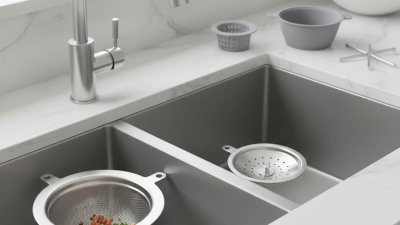
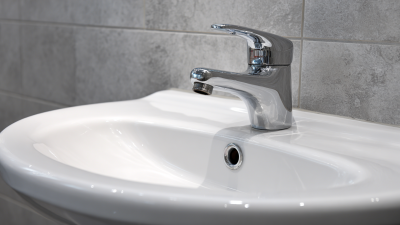
Looking ahead to 2026, picking the right Bar Sink Basket isn’t just about matching it to your shiny sink. You want something that works well day in and day out—whether you're rinsing glasses, draining ice, or dealing with those awkward spills that happen all the time. Small errors in sizing really stand out once you start using it daily, so it pays to get it right.
If you’re thinking about trends, Houzz’s 2024 U.S. Kitchen Trends Study shows folks are still putting their money into durable, practical upgrades. The National Kitchen and Bath Association’s 2024 Kitchen Trends Report echoes this—stuff like smart storage, sturdy materials, and easier cleaning are still in. Neither report specifically zooms in on Sink Strainers, but they both highlight an important lesson: overlooking small hardware bits can hurt the overall performance of your kitchen redo.
This guide is here to help you understand the main types of Bar Sink Baskets you’ll want to consider in 2026. Stainless steel baskets are a solid choice — they hold up better against staining, especially in busy spots like beverage stations. If you need a basket that can handle lots of debris, go for a deeper one. But if you’re tight on space below the sink, a low-profile design might be better because it saves clearance. Some baskets even come with removable grids, which is super handy. Be aware, though, if they connect to waste-disposal systems — it’s worth double-checking compatibility.
According to Grand View Research’s analysis of the plumbing fixtures market, there’s ongoing demand for replacements alongside all the remodeling happening in homes. That’s a good sign, though it doesn’t mean every fancy, high-end basket is automatically a better deal. Sometimes, the details are easy to miss.
In my practical experience, paying attention to factors like the basket flange, gasket thickness, drain opening, and how it connects to the tailpiece is just as important as the basket itself. Performance standards like ASME A112.18.2 and CSA B125.2 give good reference points for drainage parts, but keep in mind that manufacturers sometimes list different dimensions for similar-looking products.
Even if a basket looks perfect online, it might not fit quite right in your stainless steel sink. To avoid surprises, measure your sink’s openings carefully, and compare material quality, finish durability, overflow needs, and how easy it is to access for cleaning. This guide takes all those things into account — looking at manufacturer specs, trade advice, and real-world installation tips. One thing to keep in mind, though: the cheapest option isn’t always the easiest or best one overall.
What Is a Bar Sink Basket and Why Does It Matter?
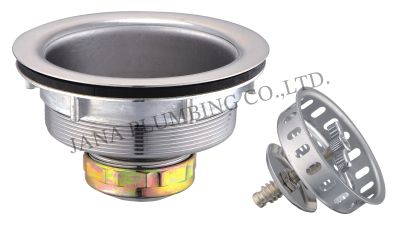
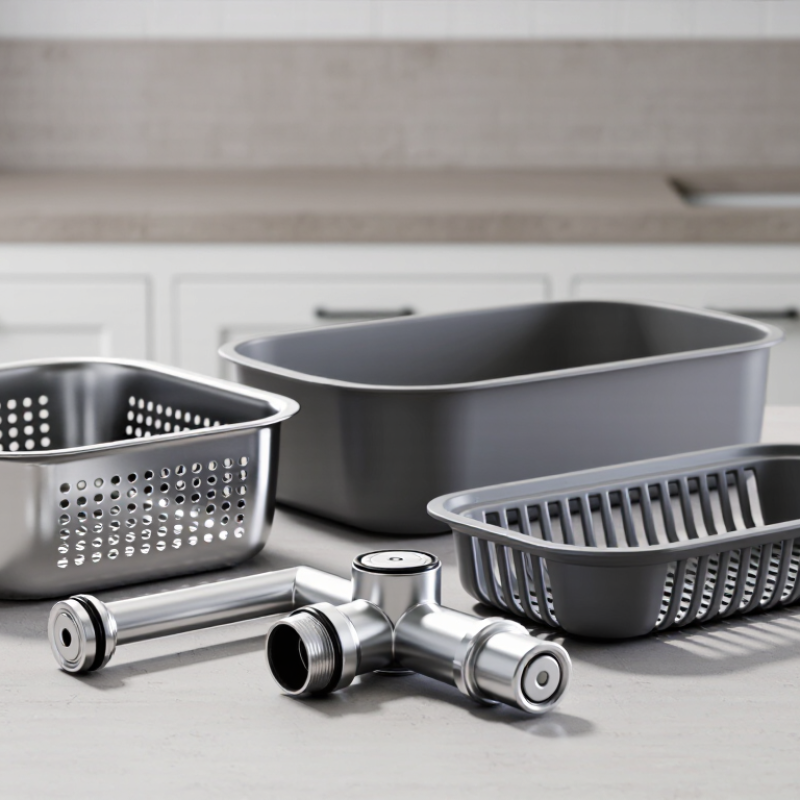
A bar sink basket is the removable filter fitted inside a bar sink drain. It catches ice chips, citrus seeds, coffee grounds, and small food particles before they enter the plumbing. The Bar Sink Strainer Basket usually includes a perforated bowl, flange, and sealing ring. Its value is practical, not decorative. A loose or shallow basket can let debris pass through and create slow drainage beneath the counter.
The 2024 UNEP Food Waste Index Report estimates that households wasted about 631 million tonnes of food in 2022. A compact entertainment sink will not handle that volume, of course. Still, repeated particles can collect inside a narrow drain line. Professional plumbing guidance also stresses accessible strainers and cleanable traps for maintenance. In my experience, buyers often focus on finish first. That choice can be a mistake. Basket depth, hole size, gasket quality, and corrosion resistance affect daily performance more than appearance.
Tips: Measure the drain opening before ordering. Check the basket’s outer diameter and flange depth. Choose smaller perforations for cocktail areas, but expect more frequent cleaning. Test the seal with a full basin of water. If the basket rocks, the fit is wrong. Also, avoid treating it as a disposal substitute; hard scraps and grease still belong elsewhere. A polished finish may show fingerprints quickly. That is worth considering.
Key Bar Sink Basket Types for Different Sink Setups
In 2026, buyers should match the bar sink basket to the sink’s structure, not only its finish. A standard 3.5-inch lift-out basket suits many top-mount and undermount prep sinks. Its removable cup catches coffee grounds, citrus seeds, and small food scraps. For compact bar sinks, a low-profile basket leaves more room below the drain. Check the cabinet clearance carefully. I once underestimated the trap depth, and the basket assembly forced an awkward pipe bend.
The 2024 Houzz U.S. Kitchen Trends Study reported that single-bowl sinks remained the preferred choice for roughly two-thirds of renovating homeowners. That preference also supports simple, full-width baskets in beverage stations. A deep basket works well for frequent rinsing, while a shallow basket drains faster around light prep tasks. Workstation sinks may need a basket with a matching stopper, especially when accessories occupy the ledge. Top-mount sinks usually tolerate easier replacement, but undermount installations demand accurate flange measurements.
The NKBA’s recent kitchen trends reporting continues to identify prep zones and beverage centers as practical design priorities. Buyers should therefore compare basket depth, flange diameter, tailpiece size, and overflow compatibility. A removable strainer is convenient. A fixed stopper is more secure. Some baskets claim universal fit, but that description can be misleading. Measure the opening beneath the sink, not just the visible rim. Stainless steel resists staining, while coated finishes may scratch around hard deposits. Reliability comes from a tight seal, accessible cleaning, and a basket that can be replaced without dismantling the entire drain.
How Basket Materials Affect Durability and Hygiene
Bar sink baskets look small, yet their material controls daily hygiene and service life. Stainless steel remains a strong choice because its chromium-rich surface resists rust and tolerates repeated cleaning. The FDA Food Code 2022 requires food-contact surfaces to be smooth, corrosion-resistant, nonabsorbent, and easily cleanable. That standard fits a well-finished basket with rounded edges and open drainage slots.
Finish matters more than appearance. A polished stainless basket usually traps less residue than a rough, chipped coating. Plastic baskets are lightweight and quiet, but heat, scratching, and discoloration can shorten their useful life. Coated steel may look attractive at installation, yet one deep scratch can expose the underlying metal. Inspect the underside, too. It is often neglected.
NSF/ANSI 51-2022 evaluates materials and finishes used around food equipment, making it a useful reference when comparing basket specifications. The World Health Organization estimates 600 million foodborne illness cases annually worldwide, although a sink basket is only one small hygiene factor (WHO, 2015). In practice, removable parts need frequent washing, complete drying, and occasional replacement. A Replacement Bar Strainer Basket with welded joints, corrosion-resistant steel, and tool-free removal is easier to inspect. Still, “stainless” is not a guarantee. Low-grade alloys, harsh chemicals, and standing water can defeat it. That detail is easy to miss.
Comparing Drain Sizes, Strainers, and Installation Styles
Choosing a bar sink basket starts with the drain opening, not the finish. In field measurements, compact bar sinks commonly use 3.5-inch openings, while specialty models may differ. Measure the opening beneath the flange, then confirm the sink specification. A one-eighth-inch mismatch can cause leaks or a loose fit. Do not trust appearance alone. It misleads.
Drain baskets should control water while catching scraps. A Bar Sink Strainer with a removable perforated basket suits drinks, ice, and small food debris. Smaller holes reduce clogging, but they also slow drainage when the basket fills. Deep baskets hold more residue and need frequent cleaning. Stainless steel resists staining, although harsh cleaners can dull its surface. Rubber or silicone seals should sit flat, without twists. I have seen careful installations fail because the gasket was placed above the sink flange.
Installation style affects maintenance and appearance. Top-mount strainers install from above and suit tight cabinetry. Low-profile designs create a cleaner surface, but they require accurate access below the bowl. Threaded locknuts should be tightened evenly, not forced with excessive torque. Hand-tighten first. Then use a suitable wrench. Before final tightening, apply plumber’s putty or sealant only where the sink instructions permit it. Check tailpiece alignment, run water for several minutes, and inspect the cabinet with dry tissue. One overlooked drip can damage wood. My fitting checks have improved, yet cramped installations still deserve a second look.
How to Match a Sink Basket With Bar Usage and Maintenance Needs
2026 Top Bar Sink Basket Types Buyers Should Know?
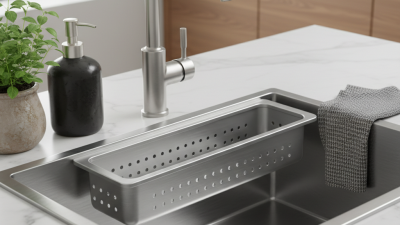
A bar sink basket should match the work, not only the sink’s diameter. For cocktail stations, choose a shallow, removable perforated basket. It catches citrus seeds, ice fragments, and herb stems without trapping much residue. A deep cup strainer suits small prep sinks. It holds heavier scraps, but cleaning takes longer.
For frequent washing, stainless steel baskets offer strong corrosion resistance and simple inspection. Plastic components can feel gentler and quieter, yet they may stain around coffee grounds or wine residue. A basket with a wide flange helps seal uneven surfaces. A low-profile model works better under tight drain assemblies. Houzz’s 2024 U.S. Kitchen Trends Study reported that 76% of renovating homeowners selected undermount sinks. That detail matters: undermount installations often leave less clearance beneath the basin. Measure the drain opening, flange diameter, basket depth, and tailpiece before ordering. I have seen attractive baskets fail because buyers measured only the visible hole.
Tips: Match basket holes to debris size. Fine perforations help with tea leaves and garnish. Larger openings drain faster after glass washing. Rinse the basket after each busy service. Once a week, remove the gasket and check for trapped grease. The U.S. Environmental Protection Agency recommends fixing leaks promptly, but a worn basket seal is easy to overlook. Replace brittle washers early. Small failures become cabinet damage. One practical compromise is using a removable cup basket during events, then switching to a simpler strainer for daily maintenance. Houzz, 2024 U.S. Kitchen Trends Study; U.S. EPA, WaterSense household water guidance.
Spin & Lock Sink Strainer JN-1003: A Smarter Way to Keep Kitchen Drains Clear
Keeping a kitchen drain clear is a small daily task with a major impact on hygiene and convenience. The U.S. Environmental Protection Agency’s *2018 Wasted Food Report* identified food as approximately 24% of material sent to landfills, highlighting how much organic waste passes through household kitchens. A dependable sink strainer helps capture food particles before they enter the plumbing system, reducing buildup, unpleasant odors, and the risk of blockages.
The Spin & Lock Sink Strainer JN-1003 offers a smarter approach through its innovative spin-lock mechanism. Designed to fit most standard-sized kitchen sinks, it attaches securely and helps prevent accidental detachment during washing, rinsing, or disposal of scraps. Its stable fit also supports a cleaner sink area by keeping collected debris contained and making removal more controlled. With cUPC certification, the strainer is suited to everyday kitchen use while combining practical performance with a user-friendly design.
Unlike loose strainers that can shift or lift when water flows quickly, the JN-1003 remains firmly positioned. The removable structure makes routine cleaning straightforward: rotate to unlock, empty the captured residue, rinse, and reinstall. By intercepting solids at the drain opening, it supports better household waste handling and helps protect kitchen plumbing from unnecessary stress.
Conclusion
A Bar Sink Basket is a small but essential component that controls drainage, catches food particles, and helps keep a bar sink clean and functional. Buyers should understand the main basket types, including standard strainers, removable basket designs, deep baskets, and models suited to single, double, or compact bar sink setups. The correct choice depends on the sink opening, drain configuration, and the way the sink is used.
Material selection also affects durability, hygiene, and maintenance. Stainless steel and other corrosion-resistant materials are generally suitable for frequent exposure to water, beverages, and cleaning products. Before purchasing, check the drain size, basket depth, strainer pattern, sealing method, and installation style. A secure fit can help prevent leaks and unpleasant odors. Finally, match the Bar Sink Basket to daily usage: entertaining areas may benefit from easy-clean removable baskets, while low-use sinks may prioritize simple installation and long-term resistance to stains and corrosion.